

Geography and Demographics
The East of England region encompasses the counties of Bedfordshire, Cambridgeshire, Essex, Hertfordshire, Norfolk, and Suffolk. It is bordered by the North Sea to the east, providing a long coastline with iconic seaside towns such as Great Yarmouth, Cromer, and Clacton-on-Sea. Inland, the landscape is predominantly flat and low-lying, dominated by the Fens—a vast area of reclaimed marshland that forms some of the most fertile agricultural land in Britain. The region also includes the Norfolk Broads, a network of navigable rivers and lakes that attracts thousands of tourists each year for boating and wildlife watching.
With a population of approximately 6.3 million people, the East of England is the third-largest region by population in England. The population is concentrated in urban centres such as Norwich, Ipswich, Colchester, and the commuter belt around London in Hertfordshire and Essex. Cambridge and Peterborough are major growth hubs, with significant infrastructure investment driving new housing and employment. The region has a slightly older demographic profile than the national average, with many attractive retirement areas along the coast and in rural villages, but it also boasts a youthful academic population centred on the University of Cambridge and the many research institutes that have sprung up around it.
Historical Significance
The East of England is steeped in history, from the ancient Iceni tribe led by Queen Boudicca to the medieval wool trade that made East Anglia one of the wealthiest parts of England. The region is home to many well-preserved historic towns, such as Bury St Edmunds, Saffron Walden, and King's Lynn, each with timber-framed buildings and cobbled streets. Norwich, the region's only city with a cathedral, boasts one of the largest medieval cathedrals in England and a Norman castle that now houses a museum and art gallery. Cambridge University, founded in 1209, is world-renowned and has shaped the intellectual and scientific landscape not just of Britain but of the entire globe.
During the Industrial Revolution, the region was less industrialised than the Midlands or the North, but it developed important manufacturing sectors in engineering, brewing, and agriculture. The Second World War saw the East of England become a key base for the US Army Air Forces, with many airfields still visible in the landscape. Today, these sites are often repurposed as business parks or museums commemorating the region's wartime contributions. The historic port of Harwich, the seaside resort of Southend-on-Sea, and the naval dockyard at Chatham (now in the South East) also played roles in maritime history.
Economic Strength and Innovation
The economy of the East of England is one of the most resilient and fastest-growing in the UK. It is often called the “Cambridge Phenomenon” because of the cluster of technology companies, biotech firms, and research spin-outs originating from the University of Cambridge. The Cambridge Science Park, established in 1970, was the first of its kind in Europe and now hosts over 100 companies ranging from start-ups to global corporations like AstraZeneca. This ecosystem has spurred innovation in gene editing, artificial intelligence, and quantum computing. Companies such as Arm Holdings (now part of Nvidia) were born here, and the region continues to attract venture capital investment at levels second only to London.
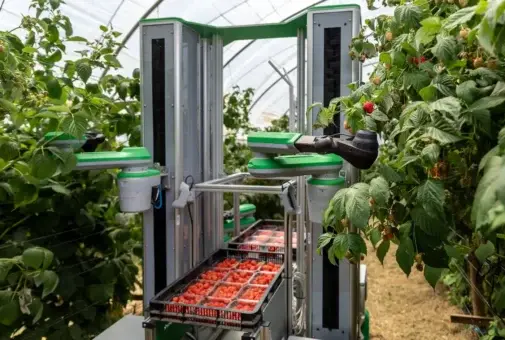
Agriculture remains a cornerstone of the regional economy. The East of England produces a significant proportion of the UK's food, including wheat, barley, sugar beet, potatoes, and vegetables. The Fens are often described as the “breadbasket of Britain.” The fertile soil and relatively dry climate (by British standards) are ideal for arable farming. In recent years, there has been a push toward agri-tech, with farms adopting precision agriculture techniques, drones, and data analytics to improve yields and reduce environmental impact. The region is also a hub for the food and drink sector, with breweries in Norfolk and Suffolk (such as Adnams and Greene King) and vineyards that are expanding as the climate warms.
Tourism is another essential sector. Beyond the Broads and coastal resorts, visitors come for the stately homes such as Sandringham (the Queen's private estate), Holkham Hall, and Woburn Abbey. The annual Aldeburgh Festival of music and arts draws international crowds. Moreover, the region benefits from its proximity to London, with many tourists combining a short break in the countryside with a visit to the capital. The regeneration of seaside towns, though still a challenge, is being aided by investment in leisure facilities, new housing, and digital connectivity.
Cultural Highlights and Attractions
The cultural life of the East of England is varied and vibrant. Norwich is designated a UNESCO City of Literature, with a thriving independent scene of publishers, bookshops, and festivals such as the Norfolk and Norwich Festival. The University of East Anglia, located in Norwich, was home to the pioneering creative writing course that produced authors like Kazuo Ishiguro and Ian McEwan. Cambridge offers a wealth of museums, including the Fitzwilliam Museum and the Museum of Archaeology and Anthropology, as well as the iconic King's College Chapel and punting on the River Cam. The city's annual Folk Festival is one of the largest in England.
The region also boasts spectacular nature reserves. The Cley Marshes and Titchwell RSPB reserves on the Norfolk coast are world-famous birdwatching sites. The Dedham Vale, known as Constable Country after the painter John Constable, offers picturesque landscapes that inspired many of his works. The Breckland heathlands are unique to the region, supporting rare species of plants and insects. The Suffolk Coast and Heaths Area of Outstanding Natural Beauty is a designated landscape of national importance. Meanwhile, stately gardens such as those at Anglesey Abbey and Somerleyton Hall showcase horticultural mastery.
Infrastructure and Connectivity
Transport links in the East of England are improving but remain a mix of excellent and inadequate. The Great Eastern Main Line connects London Liverpool Street to Norwich, with high-speed services reaching speeds up to 100 mph. The West Anglia Main Line runs to Cambridge and King's Lynn. London Stansted Airport, the fourth-busiest airport in the UK, is located in the region and handles millions of passengers annually, as well as a significant amount of air freight. Ports such as Felixstowe and Harwich are among the busiest container ports in the country, handling a large proportion of UK trade with the continent.
Road infrastructure includes the M11 linking Cambridge to London, the A14 connecting the Midlands to the Haven ports, and the A12 running along the Essex and Suffolk coastal corridor. However, congestion is common, especially around Cambridge and on the A11. Plans for a new Cambridge metro system—the Cambridge Public and Autonomous Vehicle Network —are under discussion, and the East West Rail project aims to connect Oxford with Cambridge via Bedford and Milton Keynes. Digital connectivity has improved with the rollout of full-fibre broadband in many areas, though rural parts still suffer from slower speeds. The region is a test bed for 5G and smart city technologies.
Environmental Challenges and Green Future
The low-lying geography of the East of England makes it highly vulnerable to climate change, particularly sea-level rise and increased flood risk. The Norfolk and Suffolk coasts are experiencing erosion rates of several metres per year in places, threatening villages and wildlife habitats. The Environment Agency has implemented managed realignment schemes, such as at Cley Marshes, to allow natural flooding and create new salt marsh ecosystems. The region also faces pressure from water scarcity, with demand growing for both domestic use and irrigation in agriculture. The government's new reservoirs and water transfer projects aim to address this.
On the positive side, the East of England is a leader in renewable energy. The offshore wind farms in the North Sea, such as the Greater Gabbard and Galloper, are some of the largest in the world. The Sizewell nuclear power station (currently Sizewell B, with Sizewell C under development) on the Suffolk coast provides low-carbon electricity. Onshore wind and solar farms are common across the rural landscape. Additionally, many farms are adopting anaerobic digestion to generate biogas. The region's universities are researching climate resilience, carbon capture, and sustainable agriculture, making it a key player in the UK's net-zero ambitions.
The East of England is a region of contrasts—ancient and modern, rural and urban, traditional and innovative. Its rich history, strong economy, and cultural vibrancy ensure it remains an essential part of the United Kingdom's fabric, adapting to change while preserving its unique character.
Source: UKTN News