

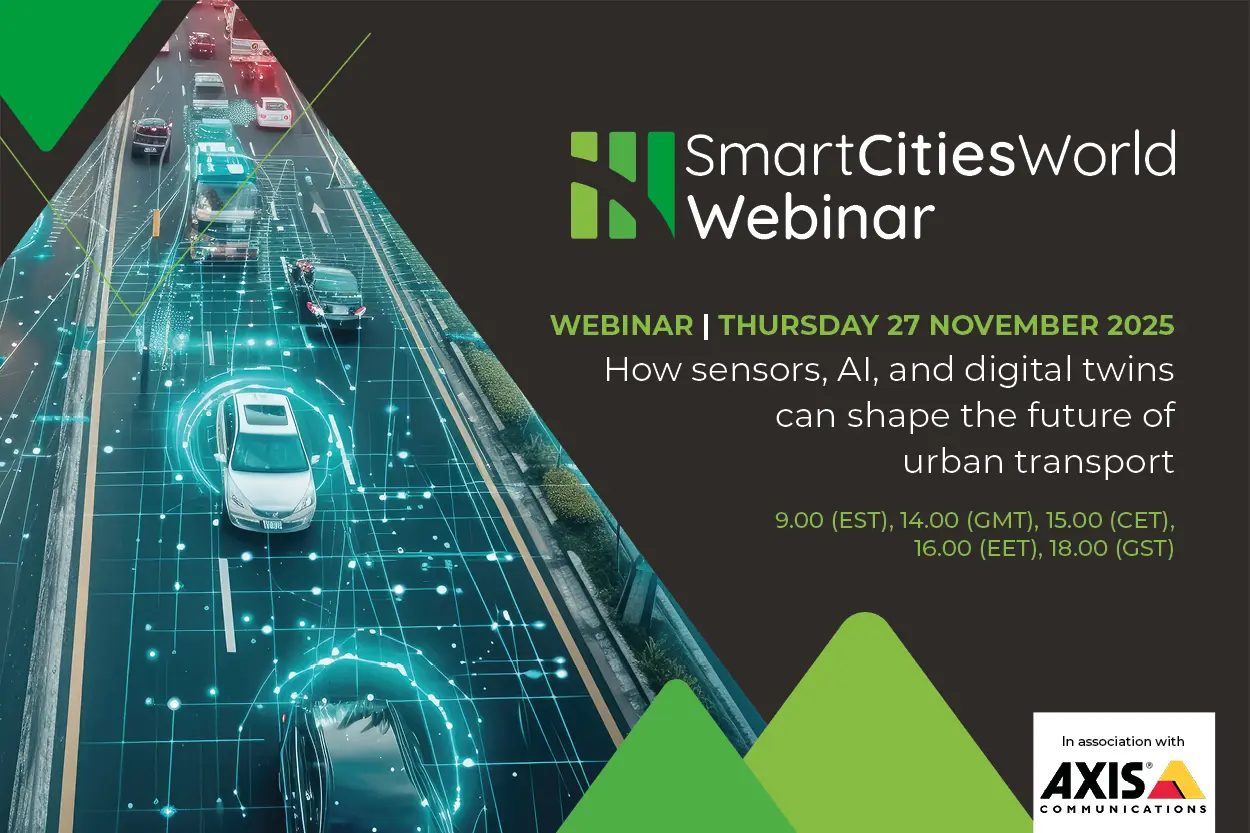
The rapid urbanization of the world's population presents unprecedented challenges for city planners and transport authorities. Congestion, pollution, aging infrastructure, and the pressing need for sustainability demand innovative solutions. Increasingly, cities are turning to a powerful trio of technologies: sensors, artificial intelligence (AI), and digital twins. These tools are not just buzzwords; they are reshaping how urban transport networks are designed, operated, and maintained. By creating real-time virtual replicas of physical systems and analyzing vast streams of sensor data, city leaders can make informed decisions that improve efficiency, resilience, and quality of life for millions of people.
Digital Twins: The Virtual Mirror of Urban Infrastructure
A digital twin is a dynamic, virtual representation of a physical asset or system. In the context of urban transport, a digital twin can model everything from a single intersection to an entire city's road network, subway lines, and pedestrian flows. By integrating live data from sensors embedded in roads, traffic lights, vehicles, and public transit, the digital twin continuously updates itself, providing a real-time view of operations. This allows operators to simulate scenarios, predict bottlenecks, and test interventions without disrupting actual services. For example, a city can simulate the impact of closing a lane for construction, rerouting traffic, or adjusting signal timings—all within the safe environment of the virtual model. The insights gained can reduce congestion, lower emissions, and improve emergency response times.
The concept is not limited to transport. Digital twins are being applied to water systems, energy grids, and building management. In urban planning, they help visualize land use changes and the effects of new developments on traffic patterns. As AI algorithms become more sophisticated, these twins can learn from historical data to forecast future conditions—like predicting which intersections are likely to become hotspots during rush hour or after a major event. The result is a proactive rather than reactive approach to city management.
Artificial Intelligence: The Brain Behind the System
AI is the engine that powers the analysis of the massive datasets generated by sensors and digital twins. Machine learning models can identify trends anomalies, and patterns invisible to human analysts. In urban transport, AI is used for adaptive traffic signal control, where algorithms adjust light timings in real time based on current traffic volumes. This can cut travel times by 10–20% and significantly reduce idling emissions. AI also enables predictive maintenance for public transport fleets—analyzing vibration patterns, temperature readings, and mileage to predict when a bus or train component might fail, allowing repairs before a breakdown occurs.
Beyond operations, AI supports long-term planning. By combining sensor data with demographic trends, economic indicators, and climate projections, planners can model how transport demand will evolve over decades. This helps justify investments in new rail lines, bus rapid transit corridors, or bike-sharing networks. AI-powered computer vision is also used to monitor pedestrian and cyclist safety, automatically detecting near-misses or risky behavior at crosswalks. The technology is moving from pilot projects to mainstream adoption, but challenges remain, including data privacy, algorithmic bias, and the need for robust cybersecurity.
Leading Examples from Around the World
Several cities are already demonstrating the potential of these technologies. In Southeast Asia, Malaysia is positioning itself as a hub for AI-powered urban innovation. The first-ever smart city expo in Kuala Lumpur showcased projects ranging from AI-driven waste management to intelligent traffic systems. The country's national agenda emphasizes digital infrastructure as a catalyst for economic growth and sustainable development. Local authorities are partnering with technology firms to deploy sensor networks across major urban corridors, feeding data into a city-scale digital twin that helps manage congestion and air quality.
In the United Kingdom, the city of Sunderland is undergoing a remarkable transformation. Once a traditional industrial center, it is now rebranding itself as a smart city leveraging digital infrastructure and low-carbon innovation. The city has invested in a fiber-optic backbone and public Wi-Fi, creating a platform for sensor deployment. Projects include smart parking systems that guide drivers to available spaces, reducing circling traffic, and intelligent street lighting that dims when no pedestrians are present, saving energy. Sunderland's approach is holistic, integrating transport with energy and housing to build a resilient, future-focused economy.
Across the Irish Sea, Dublin is another example of innovation. The city has launched several digital twin projects, focusing on traffic reduction and improved urban experiences. By modeling the central business district in high detail, planners can test scenarios like pedestrianizing streets, altering bus routes, or introducing congestion charges. Dublin is also using sensor data to monitor footfall and optimize public space usage, supporting economic vitality while reducing environmental impact. These initiatives are part of a broader smart city strategy that includes open data portals and citizen engagement platforms.
Building Resilience in the Face of Extreme Weather
Climate change is intensifying the frequency and severity of extreme weather events, posing direct threats to urban transport infrastructure. Flooding can disable subway systems, wash out roads, and strand commuters. Heat waves can warp rail lines and stress power grids. Cities must adapt rapidly. One municipality that has experienced this firsthand is Quezon City in the Philippines. Following unexpected extreme rainfall that led to flash floods and transport disruptions, the city implemented a suite of resilience measures. These include early warning systems linked to weather sensors, real-time monitoring of drainage capacity, and adaptive traffic management that reroutes vehicles away from flooded zones. The lessons learned are being shared globally through urban exchange platforms, emphasizing the importance of data-driven preparedness.
Sensor networks are critical for such resilience. By deploying water level sensors, rain gauges, and soil moisture monitors, cities can detect conditions that may lead to flooding and automatically trigger alerts to emergency services and the public. Paired with digital twins, these sensors allow operators to simulate flood scenarios and plan evacuation routes or temporary infrastructure changes. The integration of AI helps predict which areas are most at risk based on topography and weather forecasts, enabling preemptive action.
Indoor Safety: Smart Sensors for Buildings
The same sensor and AI technologies are also transforming indoor environments, which are integral to urban transport hubs. Airports, train stations, and bus terminals are sprawling facilities that require constant monitoring for safety and efficiency. Smart sensor networks can detect early signs of fire, gas leaks, or structural stress, improving situational awareness for facility managers. They also monitor air quality, occupancy levels, and energy usage. By integrating these sensors with a digital twin of the building, operators can manage heating, ventilation, and lighting in real time, reducing energy consumption while ensuring comfort and safety. For example, sensors can detect when a concourse is crowded and adjust ventilation rates accordingly, lowering the risk of airborne disease transmission. These systems support healthier, more secure, and sustainable buildings that are better prepared for emergencies.
One technology group has demonstrated how urban AI applications are set to evolve further. Its president of urban solutions has outlined projects where AI is already making significant impact, from predictive maintenance of escalators and elevators to optimizing crowd flows during events. The vision is a seamless integration of AI into every layer of urban infrastructure, from the street curb to the skyline. As AI becomes more explainable and trustworthy, its adoption will accelerate, leading to cities that are not only smarter but also more responsive to the needs of their inhabitants.
Collaborating for a Resilient Future
The complexity of urban challenges requires collaboration across sectors. Industry events and discussion panels regularly bring together city leaders, technology providers, and researchers to share best practices. One recent trend report focused on AI for resilient infrastructure, examining how sustainable operations can future-proof cities. Topics included the role of digital twins in disaster response, the use of machine learning for energy optimization, and the importance of inclusive design to ensure all communities benefit. Another webinar addressed the critical issue of climate finance, exploring how cities can build capacity and form partnerships to unlock funding for green infrastructure projects. These dialogues are essential for translating high-level strategy into practical, on-the-ground action.
Newsletters and curated updates help city officials stay informed about the latest developments. They feature interviews with urban leaders, deep dives into special reports, and guest opinions from experts. This continuous flow of information supports a global learning network, where successes in one city can inspire and guide others. The path forward involves not just deploying technology but also fostering the institutional and human capacity to use it wisely. Urban transport networks are the arteries of cities; keeping them healthy and efficient is a task that demands constant innovation and collaboration. By embracing sensors, AI, and digital twins, cities are building the foundations for a more resilient, sustainable, and equitable future.
Source: Smart Cities World News