

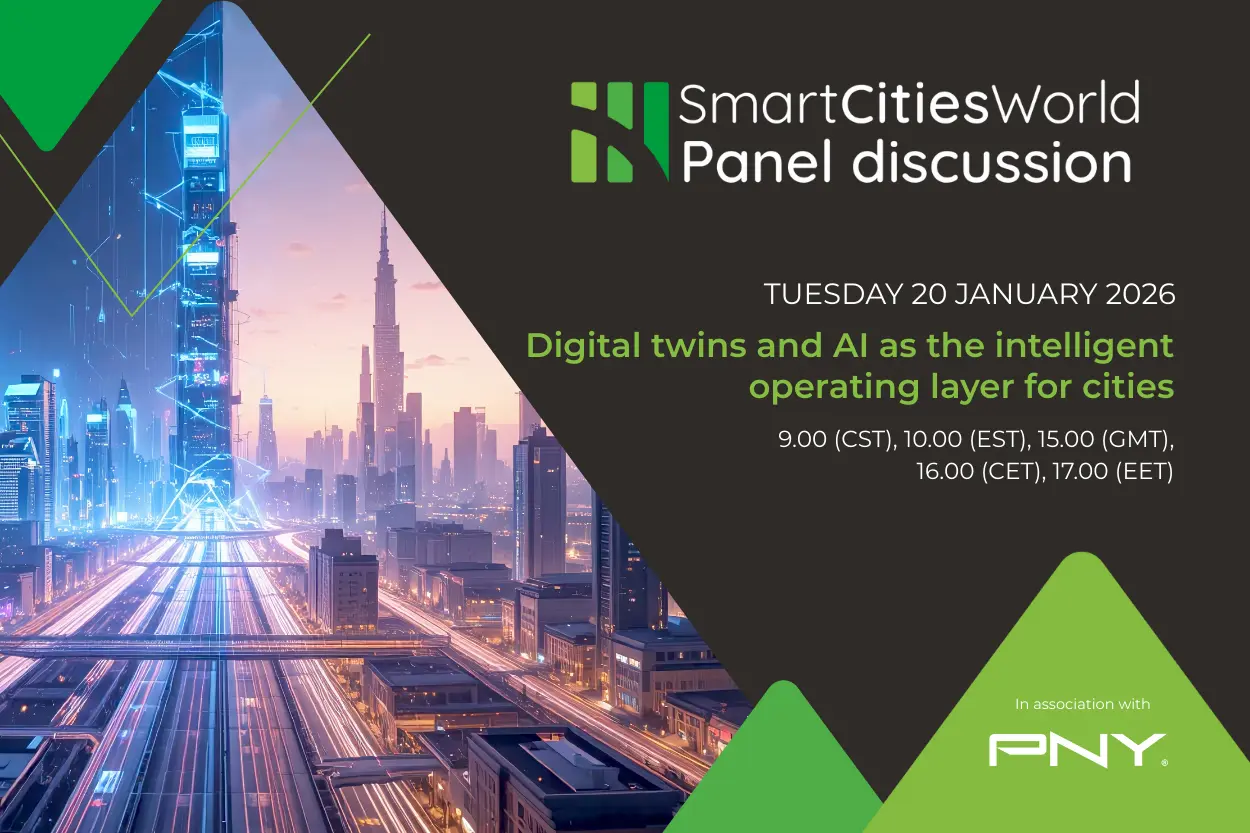
Urban centers worldwide are embracing a new paradigm in city management: the convergence of digital twins and artificial intelligence (AI) as an intelligent operating layer. This combination allows city administrators to simulate, monitor, and optimize complex urban systems in real time, leading to improved efficiency, resilience, and sustainability. From transport networks to street lighting, digital twins provide a dynamic digital replica of physical assets, while AI injects predictive analytics and automated decision-making into the fabric of city operations.
The concept of a digital twin is not new; it originated in manufacturing and aerospace industries, where virtual models of machines or aircraft were used for simulation and maintenance. However, its application in urban contexts has gained momentum only in the last decade. As cities become increasingly instrumented with sensors, Internet of Things (IoT) devices, and data streams, the ability to create a comprehensive digital representation becomes feasible. A city digital twin integrates data from various sources—traffic cameras, air quality monitors, energy meters, public transit systems, and citizen feedback—into a unified model. AI algorithms then process this data to detect patterns, predict outcomes, and recommend actions.
Chris Lucero of The Connective, Greater Phoenix’s regional smart city consortium, highlights the importance of a hybrid computing architecture blending edge and cloud technologies. Edge computing processes data locally, near sensors, reducing latency and bandwidth usage, while cloud computing provides scalable storage and advanced analytics. This hybrid approach enables real-time responses for critical urban functions, such as adjusting traffic signals based on current congestion or detecting water leaks before they become major incidents. The Phoenix region, with its arid climate and rapid growth, uses digital twins to manage water distribution, energy consumption, and transportation planning.
In transportation, AI-powered digital twins are revolutionizing how cities plan and operate their networks. Traditional transport planning relies on historical data and periodic surveys, which can be outdated by the time they are used. Digital twins offer a living model that updates with real-time data from GPS trackers on buses, train schedules, traffic flow sensors, and ride-sharing apps. Machine learning models can forecast demand, optimize routes, reduce delays, and improve passenger experience. For example, cities like London and Singapore have deployed digital twins to simulate the impact of new bike lanes, congestion pricing, or major events on traffic patterns, allowing planners to test scenarios without disrupting real-world operations.
The integration of AI also enhances day-to-day operations. AI algorithms can predict maintenance needs of infrastructure—such as when a streetlight is likely to fail or a bridge requires inspection—based on sensor data and historical trends. This predictive maintenance reduces downtime and costs. In public safety, AI can analyze camera feeds and sensor data to detect accidents, fires, or unusual crowd behavior, alerting authorities instantly. However, this raises privacy and ethical concerns that cities must address through transparent data governance and citizen engagement.
Sunderland, a city in the northeast of England, has repositioned itself as a leading smart city using digital infrastructure and low-carbon innovation. Its City Profile, published by SmartCitiesWorld, details how Sunderland leverages digital twins to monitor energy usage across municipal buildings and public spaces, integrate renewable sources like solar panels, and plan district heating networks. The city aims to become carbon neutral by 2040, and digital twins help track progress, identify inefficiencies, and simulate the impact of new policies. Sunderland also uses AI to improve street lighting, reducing energy costs by up to 70% while maintaining safety through adaptive brightness based on pedestrian and traffic presence.
Dublin, Ireland, is another example of a city innovating with digital twins. Its City Profile highlights projects that use digital twins for traffic reduction, economic growth, and improved community experiences. Dublin's digital twin integrates data from its public transport system, traffic loops, and weather stations to manage real-time traffic flows. The city has implemented smart parking solutions that guide drivers to available spaces, reducing congestion and emissions. AI also supports urban planning by simulating the effects of new developments on sunlight, wind patterns, and noise levels, ensuring better living environments. Dublin's approach emphasizes citizen-centric services, using AI to personalize information delivery and streamline interactions with city hall.
Smart lighting is a critical entry point for many cities. The series "Cities Thriving on Lighting" and its episodes explore how global cities are approaching smart lighting and associated cybersecurity risks. Turning existing streetlight networks into secure, interoperable, and future-proof infrastructure requires careful consideration of technology choices. Smart lighting systems can incorporate sensors for air quality, noise, and foot traffic, turning a simple fixture into a data collection point. AI analyzes these data streams to adjust lighting levels dynamically, saving energy while enhancing safety. However, with increased connectivity comes security vulnerabilities; cities must encrypt data, update firmware regularly, and conduct risk assessments to prevent breaches.
The UN Virtual Worlds Day event, as described by Paul Wilson, investigates how AI, spatial intelligence, and the Citiverse ecosystem—the convergence of digital twins with metaverse technologies—can be turned into trusted, people-centred outcomes. The Citiverse envisions a world where citizens can interact with their city's digital twin through virtual reality, participating in planning meetings or experiencing proposed changes before they are built. This participatory approach fosters transparency and inclusion. But building trust requires robust data privacy, equitable access, and clear communication about how AI makes decisions.
Indoor safety is another frontier for smart sensor networks and AI. By detecting risks early—such as gas leaks, fire hazards, or structural weaknesses—digital twins of buildings improve situational awareness and support healthier, more secure, and sustainable facilities. Emergency responders can use building digital twins to navigate a structure during an incident, knowing where fire exits, hazardous materials, or trapped people are located. AI can also optimize HVAC systems to improve indoor air quality while reducing energy use.
Before deploying AI at scale, cities must understand the data groundwork required. The on-demand webinar "Preparing for AI - understanding the data groundwork with Sunderland" underscores that successful AI depends on clean, well-organized data. Many cities struggle with data silos, inconsistent formats, and legacy systems. A digital twin initiative often begins with data integration, establishing common standards, and ensuring data quality. AI models trained on incomplete or biased data can produce flawed outputs, exacerbating inequalities. Therefore, cities must invest in data governance, including policies for data ownership, sharing, and privacy.
The trend report panel discussion "AI for personalised government services – building trust and inclusivity in cities" addresses how AI can customize services to individual citizens, such as personalized job recommendations or health tips, while ensuring these systems do not discriminate. Trust is built through transparency—explaining why a particular decision was made—and by involving diverse communities in the design and oversight of AI systems.
SmartCitiesWorld newsletters, daily and weekly, curate these developments, providing a pulse on the latest city interviews, special reports, and guest opinions. The editorial newsletter brings together key news items, direct to inbox, helping city leaders and practitioners stay informed about digital twins, AI, and smart city innovations.
As urban populations continue to grow and climate change intensifies, the intelligent operating layer of digital twins and AI will become indispensable. Cities that invest in this technology now are positioning themselves for a future where resources are used more efficiently, services are more responsive, and communities are more resilient. The journey, however, requires careful planning, collaboration across sectors, and a unwavering focus on people-centred outcomes. With hybrid edge-cloud architectures, robust cybersecurity, and inclusive governance, cities can harness the full potential of digital twins and AI to create smarter, more sustainable urban environments.
Source: Smart Cities World News