

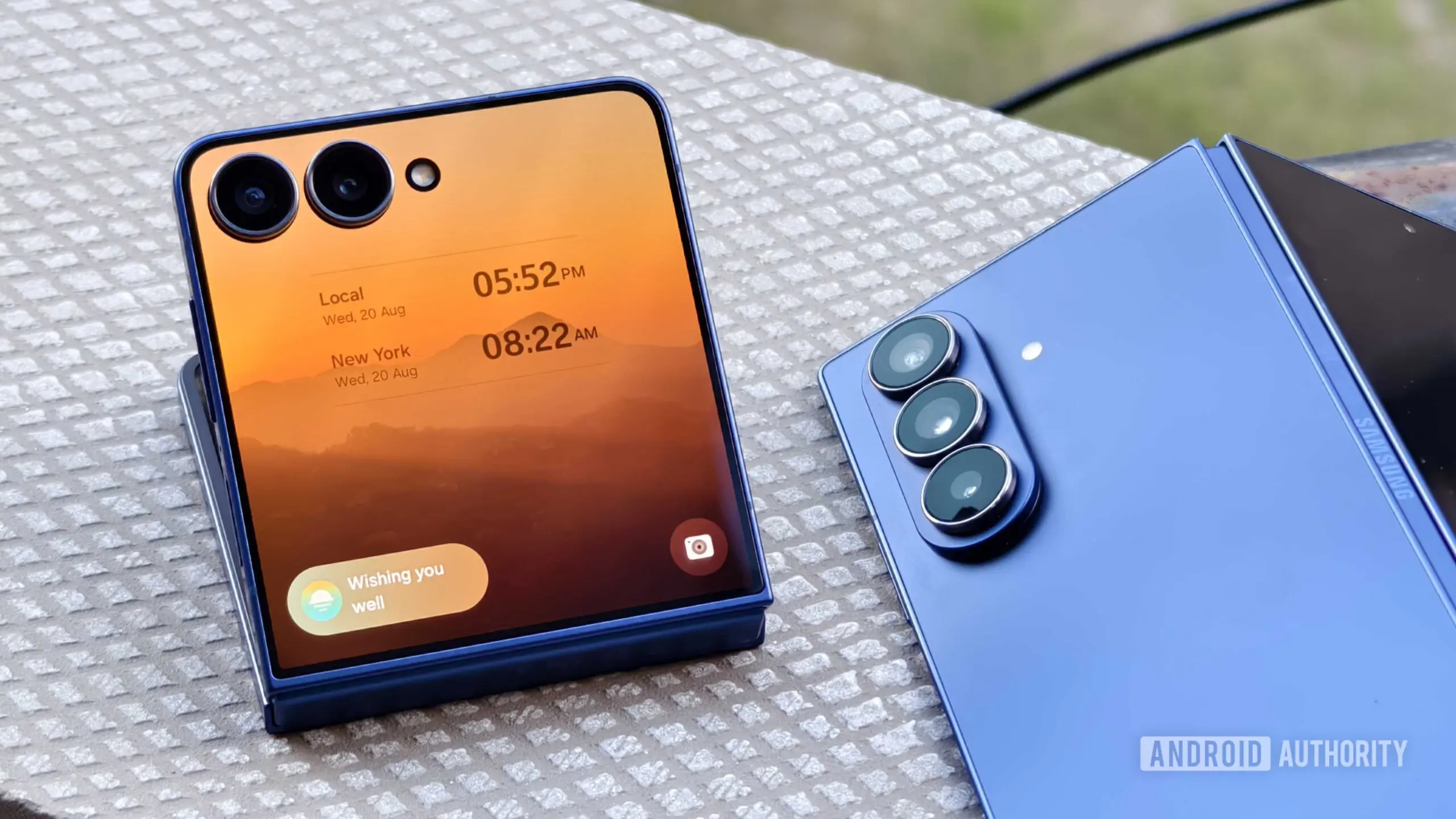
Samsung's next-generation foldables: a closer look at the Z Fold 8 and Z Flip 8
With Samsung's Galaxy Unpacked event just around the corner, new leaks continue to build excitement. The latest batch comes from a well-known leaker, who shared renders that appear to be official Samsung marketing materials—free of any watermarks. These images provide one of the clearest views yet of the Galaxy Z Fold 8 and Galaxy Z Flip 8, two devices that are set to redefine the foldable smartphone landscape in 2026.
The renders depict the Galaxy Z Fold 8 in a sophisticated lavender hue, while the Galaxy Z Flip 8 is shown in a vibrant pink. These colors align with previous rumors and suggest that Samsung is aiming for a fresh, modern palette to attract a wide range of users. The design language echoes the sleek, refined look seen in earlier generations but with subtle refinements that hint at improved ergonomics and durability.
According to information gathered from multiple sources, the Galaxy Z Fold 8 will feature a wider cover display than its predecessor, making it more usable when folded. The internal screen is also expected to be larger, though the precise dimensions remain under wraps. The Z Flip 8, meanwhile, retains its iconic clamshell design but comes with enhanced hinge mechanics and a larger external display for quick interactions.
Perhaps most intriguing is the introduction of a third model: the Galaxy Z Fold 8 Ultra. Leaks indicate that this variant will maintain the narrower form factor that long-time Fold users have appreciated, while the standard Fold 8 shifts to a more traditional smartphone aspect ratio. The Ultra is rumored to pack a telephoto camera—a feature missing from the standard Fold 8, which will rely on primary and ultrawide lenses. This differentiation suggests Samsung is catering to two distinct user groups: those seeking a compact, pocketable foldable and those demanding top-tier photography capabilities.
The renders also reveal subtle changes to the camera bump, which now sits flush with the back panel in the Flip 8 model. The Fold 8, on the other hand, appears to have a slightly redesigned camera island that integrates more seamlessly with the overall aesthetic. These design choices reflect Samsung's commitment to refining the user experience with each iteration.
Historical context: Samsung's foldable evolution
Samsung first entered the foldable market in 2019 with the original Galaxy Fold. That device was revolutionary but plagued by early durability issues. Since then, each generation has brought significant improvements in reliability, display technology, and software optimization. The Galaxy Z Fold 2 introduced a larger cover display and a more robust hinge, while the Fold 3 and Fold 4 added water resistance, S Pen support, and under-display cameras. The Fold 5 and Fold 6 refined the formula further, reducing crease visibility and improving multitasking capabilities.
The Z Flip series, launched in 2020, quickly became a fashion statement with its compact design and customizable cover screen. Samsung has continuously updated both lines, and the upcoming devices represent the eighth generation of the Fold series and the eighth generation of the Flip series. The addition of a third model—the Ultra—signals a shift toward segmentation, similar to what Samsung has done with its Galaxy S lineup.
Competitors like Google with the Pixel Fold and various Chinese manufacturers have also entered the foldable space, pushing Samsung to innovate faster. The foldable market is expected to grow significantly in the coming years, and Samsung aims to maintain its leadership position by offering diverse options at different price points.
What to expect at the July 22 Unpacked event
Samsung has confirmed that its next Galaxy Unpacked event will take place on Wednesday, July 22, 2026, in London. The event is expected to be one of the most significant in the company's history, with not only the three foldable phones but also new Galaxy Watch models. The watches are likely to include the Galaxy Watch 8 and possibly a high-end Galaxy Watch 8 Ultra, featuring improved health sensors and longer battery life.
Rumors suggest that the foldable phones will be powered by the Exynos 2500 or Snapdragon 8 Gen 4 chipset, depending on the region. Both processors are expected to deliver substantial improvements in AI processing, camera capabilities, and power efficiency. Samsung's One UI software, based on Android 16, will likely include new features tailored for foldable displays, such as enhanced split-screen multitasking, app continuity, and improved desktop mode.
Camera improvements are another major focus. The standard Galaxy Z Fold 8 is expected to feature a 50MP primary sensor and a 12MP ultrawide, while the Ultra variant could include a 10MP telephoto with 3x optical zoom. The Z Flip 8 may receive an upgraded main sensor and a larger cover screen that doubles as a viewfinder for selfies.
Battery capacity is also expected to increase across the lineup. Leaks point to a 4,400mAh battery for the Fold 8, a 4,700mAh battery for the Fold 8 Ultra, and a 3,700mAh battery for the Flip 8. Fast charging speeds may see a modest bump to 45W, though Samsung has traditionally been conservative in this area.
Pricing remains a key unknown. The standard Fold 8 is rumored to start around $1,799, while the Ultra could command a premium of $200 to $300. The Flip 8 is expected to be the most affordable option, likely starting at $999. Pre-orders typically begin immediately after the event, with shipments arriving in early August.
Analysis: Samsung's strategy with three foldables
The introduction of three distinct foldable models suggests that Samsung is taking a page from Apple's playbook by offering multiple tiers to capture different segments. The Galaxy Z Fold 8 targets power users who want a larger canvas for productivity, while the Z Fold 8 Ultra appeals to photography enthusiasts and those who prefer the traditional Fold form factor. The Z Flip 8, meanwhile, is aimed at style-conscious users and those upgrading from traditional smartphones.
This strategy also helps Samsung compete with emerging rivals. In China, companies like Huawei, Oppo, and Xiaomi have released foldables with innovative designs and aggressive pricing. By offering a wider range of options, Samsung can address the diverse needs of global markets while capitalizing on its brand recognition and ecosystem advantages, such as integration with Galaxy Buds, Galaxy Watch, and Samsung's SmartThings platform.
Software will be a crucial differentiator. Samsung has invested heavily in One UI's foldable features, including the ability to run three apps simultaneously, drag-and-drop between windows, and seamless app transitions when folding or unfolding the device. These capabilities, combined with Samsung's track record of providing four years of major OS updates and five years of security patches, give the company an edge over many Android competitors.
The foldable market is still nascent, but it is growing rapidly. According to industry analysts, global foldable shipments are expected to exceed 30 million units in 2026, up from an estimated 20 million in 2025. Samsung's continued dominance ensures that these new devices will have a significant impact on the market. The July 22 event will be closely watched by both consumers and competitors alike.
As the launch date approaches, additional leaks are likely to surface, offering a more complete picture of what Samsung has in store. For now, the clear renders and detailed specifications provide a tantalizing preview of the next chapter in foldable smartphones.
Source: Android Authority News