

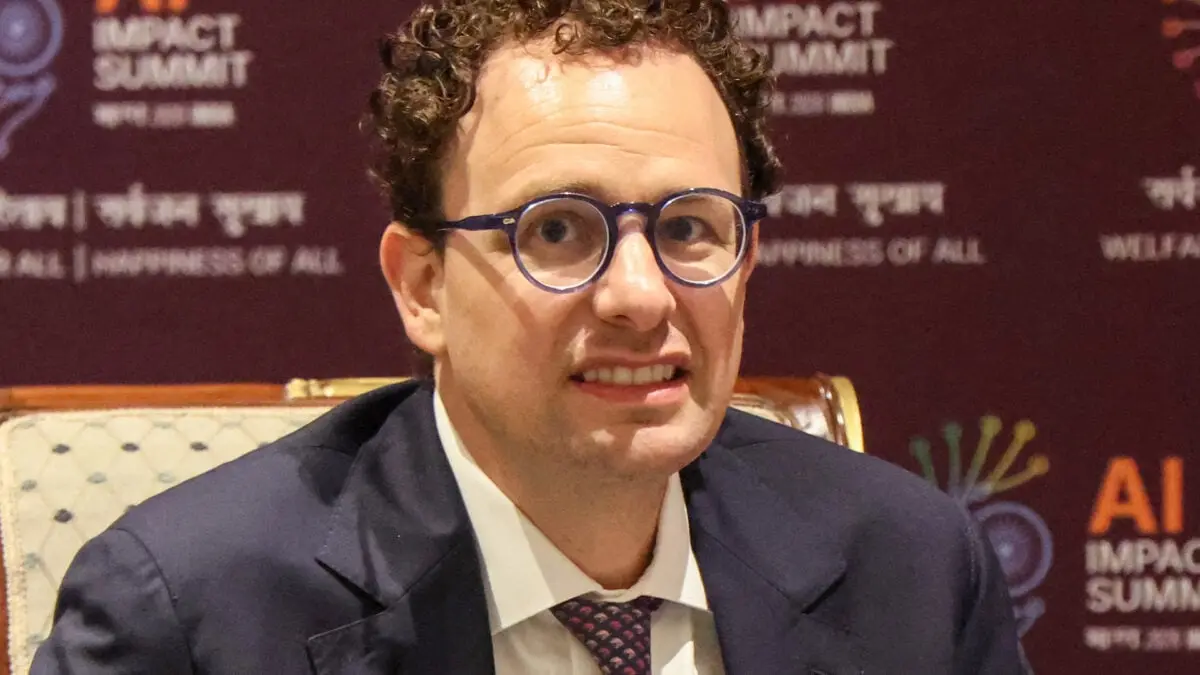
For nearly two weeks, senior executives at Anthropic have been locked in negotiations with the White House to overturn a highly restrictive export control directive that has crippled the release of their most advanced consumer AI model. According to a new report from Wired, these talks were initially faltering—largely because CEO Dario Amodei was personally involved. However, since Amodei stepped back from the discussions and co-founder Tom Brown took the lead, progress has reportedly accelerated.
The core issue revolves around Anthropic's Claude Fable 5 AI model, a cutting-edge frontier model that the company had made available to the public. The White House imposed an export control order roughly three days after Fable 5's release, citing concerns that unauthorized actors—particularly those with ties to Chinese interests—had already accessed the model. The order required Anthropic to prevent non-U.S. nationals from using Fable 5, as well as a more exclusive model called Mythos 5. In response, Anthropic pulled Fable 5 offline on June 12 and immediately entered talks with the administration.
Wired's sources indicate that the initial negotiations with Amodei were difficult. An anonymous person involved in the calls described Amodei as 'hard to deal with' and noted that he 'wasn't being a good listener.' This aligns with previous reports that characterized Amodei as prone to emotional outbursts and lengthy rants. Public appearances and videos show Amodei with a queasy facial expression, a trumpet-like speaking voice, and a tendency to wave his arms and break eye contact by tilting his head downward. These traits, while perhaps endearing in some contexts, were apparently counterproductive in high-stakes diplomacy.
Enter Tom Brown, another Anthropic co-founder whose LinkedIn title simply reads 'co-founder.' Wired reports that the White House is now talking primarily to Brown, alongside Sarah Heck, Anthropic's Head of Public Policy. The same anonymous source remarked, 'Tom Brown is not being a weirdo like Dario and can actually engage.' Brown, while also possessing a nervous, nerdy speaking style, presents a much warmer and more traditionally personable demeanor. He smiles easily, speaks with a softer and steadier voice, and seems better equipped to build rapport. Heck, meanwhile, comes across as enthusiastic and on-message, yet disciplined and cautious—qualities essential for a public policy role dealing with sensitive national security matters.
Background on Dario Amodei and Anthropic's Founding
Dario Amodei co-founded Anthropic in 2021 after leaving OpenAI, where he had been a key researcher. He was deeply involved in developing large language models and had become increasingly concerned about the existential risks posed by advanced AI. Anthropic was established with a mission to build safe and beneficial AI, prioritizing research into alignment and ethical deployment. Amodei's reputation as a brilliant but intense personality was well-known in the AI community. He often spoke passionately about the dangers of uncontrolled AI development, but his communication style sometimes alienated potential partners and regulators.
Tom Brown, also a former OpenAI researcher, co-founded Anthropic alongside Amodei and others. Brown's expertise lies in model architecture and training, but his role has evolved to include executive responsibilities. While Amodei publicly championed the company's safety-first approach, Brown has remained more in the background, focusing on technical leadership. The shift in negotiating responsibilities marks a notable change in Anthropic's corporate strategy, signaling a recognition that diplomacy requires different skills than technical vision.
The Claude Fable 5 Export Control Crisis
Fable 5 is part of Anthropic's 'Mythos-class' models, a designation indicating that it uses the same core technology as Claude Mythos Preview—a model Anthropic itself deemed too dangerous for public access. The company claimed that Fable 5 had been stripped of certain capabilities that could pose a cybersecurity threat. However, according to multiple sources, researchers at Amazon—one of Anthropic's key cloud partners—discovered that jailbreak techniques could easily remove these safeguards. This discovery was reported to the White House shortly after Fable 5's launch.
Even before the jailbreak issue emerged, the White House was reportedly concerned that bad actors affiliated with Chinese interests had already gained access to the model. This led to the expedited issuance of the export control order. The directive effectively shut down global availability of Fable 5, impacting not only individual users but also businesses and researchers who relied on the model for their work.
The situation is particularly delicate because Anthropic operates under the shadow of broader U.S.-China tensions over AI technology. The Trump administration has taken a hardline stance on AI exports, mirroring its approach to semiconductors and other critical technologies. By pulling Fable 5 offline, Anthropic hoped to demonstrate good faith and its willingness to cooperate with government security concerns. The ongoing negotiations aim to establish a framework under which the model could be reinstated, possibly with enhanced monitoring or access controls.
Implications for AI Regulation and Industry
This episode highlights the increasingly complex relationship between AI companies and government regulators. As frontier models become more powerful, the potential for misuse grows, forcing companies to navigate conflicting demands: public safety, national security, and commercial viability. Anthropic's predicament is not unique. Other AI firms, including OpenAI and Google DeepMind, have faced similar scrutiny over their models' capabilities and potential for misuse.
The White House's willingness to negotiate with Anthropic—once Amodei was replaced by a more diplomatic interlocutor—suggests that personal chemistry and communication style can significantly influence regulatory outcomes. This may prompt other AI companies to ensure their leadership teams include individuals skilled in government relations, not just technical prowess.
For Anthropic, the stakes are enormous. Fable 5 represented a major revenue stream and a flagship product. Its removal from the market has likely cost the company millions of dollars and damaged its reputation among customers who need uninterrupted access to cutting-edge AI. If the talks succeed, Anthropic may need to implement additional safeguards, such as real-time monitoring of model outputs or stricter authentication protocols. If they fail, the company could face a prolonged ban, potentially pushing customers toward competitors with less restrictive models.
In a broader context, the case of Fable 5 underscores the challenges of deploying AI at scale in an era of heightened geopolitical tensions. The line between responsible development and overregulation is thin, and both companies and governments are still learning how to walk it. Anthropic's experience may serve as a test case for future regulatory interactions across the tech industry.
Source: Gizmodo News