

Shortwave radio has long been a source of mystery and fascination, offering glimpses into hidden worlds of military communications, espionage, and unexplained transmissions. Thanks to online Software Defined Radio (SDR) receivers, anyone with an internet connection can tune into these signals without expensive equipment or a license. This guide explores some of the creepiest and most intriguing shortwave signals you can hear right now.
What Makes Shortwave Radio So Weird?
Shortwave, or high-frequency (HF) radio, operates between 3 and 30 MHz. Unlike VHF/UHF signals that travel only line-of-sight, shortwave signals can bounce off the ionosphere and travel thousands of miles. This phenomenon, called skywave propagation, allows signals from Europe to be heard in North America and beyond. The unpredictability of these signals contributes to their mystique—you never know what you might pick up.
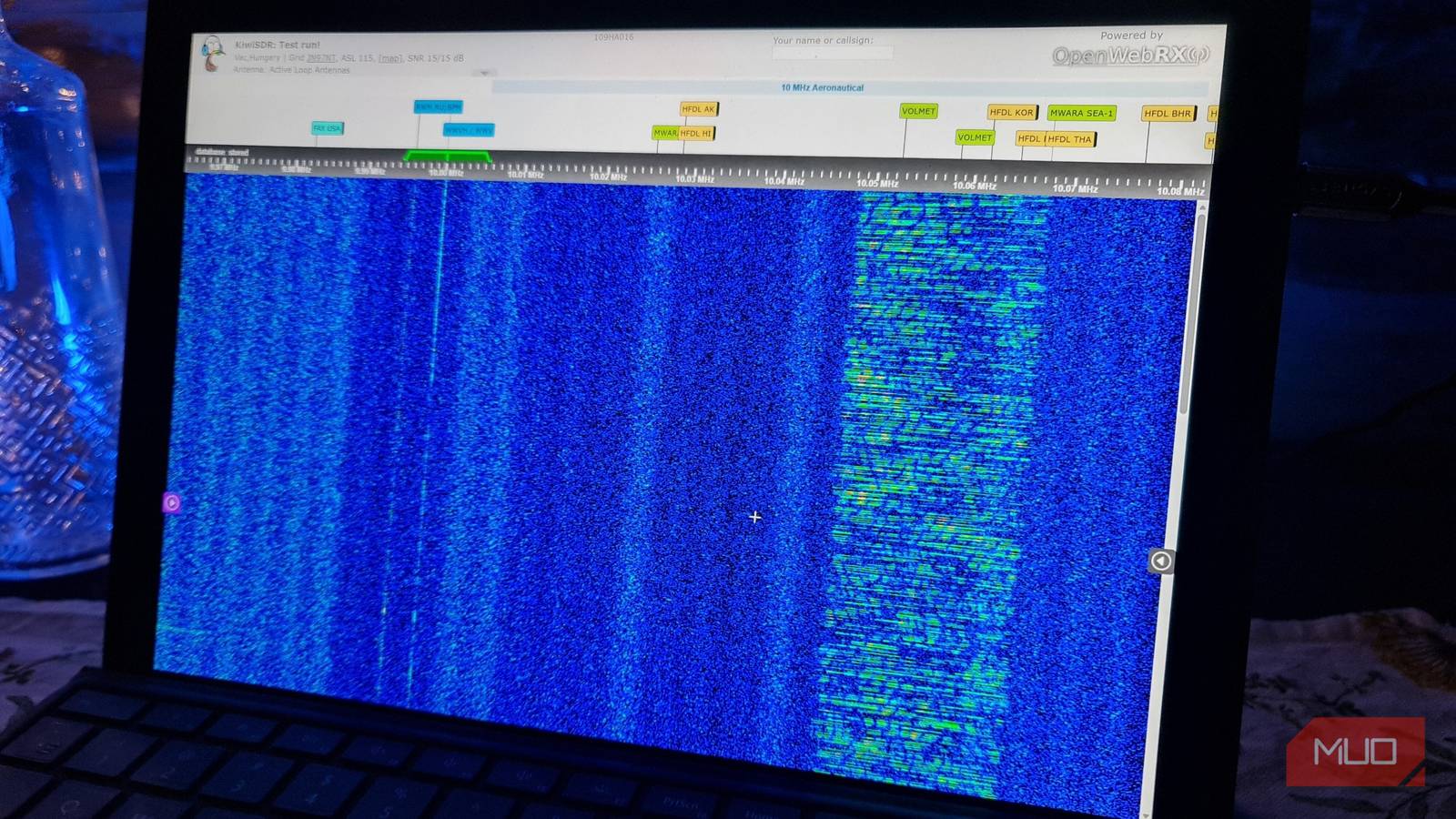
Online SDR receivers, such as WebSDR, KiwiSDR, and OpenWebRX, aggregate receivers from around the world. By connecting to one of these platforms, you can scan frequencies and listen to live audio from distant locations. This makes it easy to hunt for strange signals without building a massive antenna or dealing with local interference.
The Buzzer (UVB-76): The Longest-Running Radio Mystery
Perhaps the most famous shortwave mystery is UVB-76, commonly known as the Buzzer. Transmitting on 4625 kHz in Upper Sideband (USB) mode, this station emits a monotonous buzzing sound 24 hours a day. The signal originates from Russia and has been tracked since the 1970s. Occasionally, the buzzing stops and is replaced by a voice reading numbers or messages in Russian. Theories about its purpose range from a dead-hand nuclear control system to a simple military communications channel. Despite decades of speculation, its exact function remains unknown.
To hear the Buzzer, tune a KiwiSDR to 4625 kHz USB. Many receivers near Russia block this frequency to prevent abuse, but others still allow listening. You can often find recordings of voice interruptions on YouTube, but hearing it live adds an extra layer of eerie uncertainty.
Skyking: The Military Urgent Broadcast
Another legendary signal is the "Skyking" broadcast, part of the US High Frequency Global Communications System (HFGCS). The phrase "Skyking, Skyking, do not answer" is a high-priority alert that precedes encrypted messages to strategic assets like bombers or submarines. It became famous in internet folklore after being heard on early public WebSDRs around 2010. While not as common as other signals, you can monitor frequencies like 11175 kHz, 8992 kHz, or 4724 kHz USB for chance encounters. Patience is key, as these broadcasts are rare but unmistakable when they occur.
Other Creepy Signals: The Pip, Squeaky Wheel, and Number Stations
Beyond the Buzzer and Skyking, several other signals add to the shortwave mystique. The Pip (5448 kHz day, 3756 kHz night) emits a repeating tone similar to a metronome, occasionally interrupted by Russian speech. The Squeaky Wheel (5367 kHz day, 3363.5 kHz night) produces a two-tone high-pitched sound that can quickly become grating. These are believed to be military or intelligence-related markers.
Number stations are perhaps the most chilling. These stations broadcast groups of numbers or letters in a flat, calm voice, often in Spanish or English. HM01 (also known as Havana Moon) transmits from Cuba on frequencies like 9330 kHz and 11435 kHz AM, mixing voice groups with digital data. E11 (Oblique) uses English voices on varying schedules. These are widely assumed to be one-way communication to intelligence agents, though the coded messages remain indecipherable without the proper key. The matter-of-fact delivery and unpredictable schedules make them deeply unsettling.
How to Listen: Tools and Tips
To start hunting, use the SDR map at rx-tx.info to find available receivers. Filter for HF receivers (3-30 MHz) and choose locations with favorable propagation—usually at night or during twilight. KiwiSDR receivers (purple on the map) often have pre-tagged interesting frequencies. Tune to the frequencies listed above and select USB mode for most signals, AM for time stations like WWV (2.5, 5, 10, 15, 20 MHz) or CHU Canada (3330, 7850, 14670 kHz).
Time stations are excellent for learning to identify consistent signals on the waterfall display. The constant ticking and voice announcements help train your ear to distinguish utility signals from the truly bizarre. Once you recognize the pattern, the weird signals stand out more clearly.
Why These Signals Fascinate Us
The appeal lies in the combination of technology, mystery, and history. These signals are not just artifacts of the Cold War; many are still active today. They remind us that there are layers of communication infrastructure hidden in plain sight, operating on frequencies that anyone can tune into but few understand. The internet has amplified interest, with communities like Priyom.org documenting schedules and signal characteristics. Whether you're a radio enthusiast or just curious about the unexplained, shortwave offers a direct connection to the unknown.
The Buzzer continues its relentless drone, number stations read their coded warnings, and military networks transmit encrypted updates. Each signal carries a story—some mundane, some extraordinary. The real thrill is hearing them live, knowing that somewhere out there, someone is listening or transmitting for reasons we may never fully grasp.
Source: MakeUseOf News