

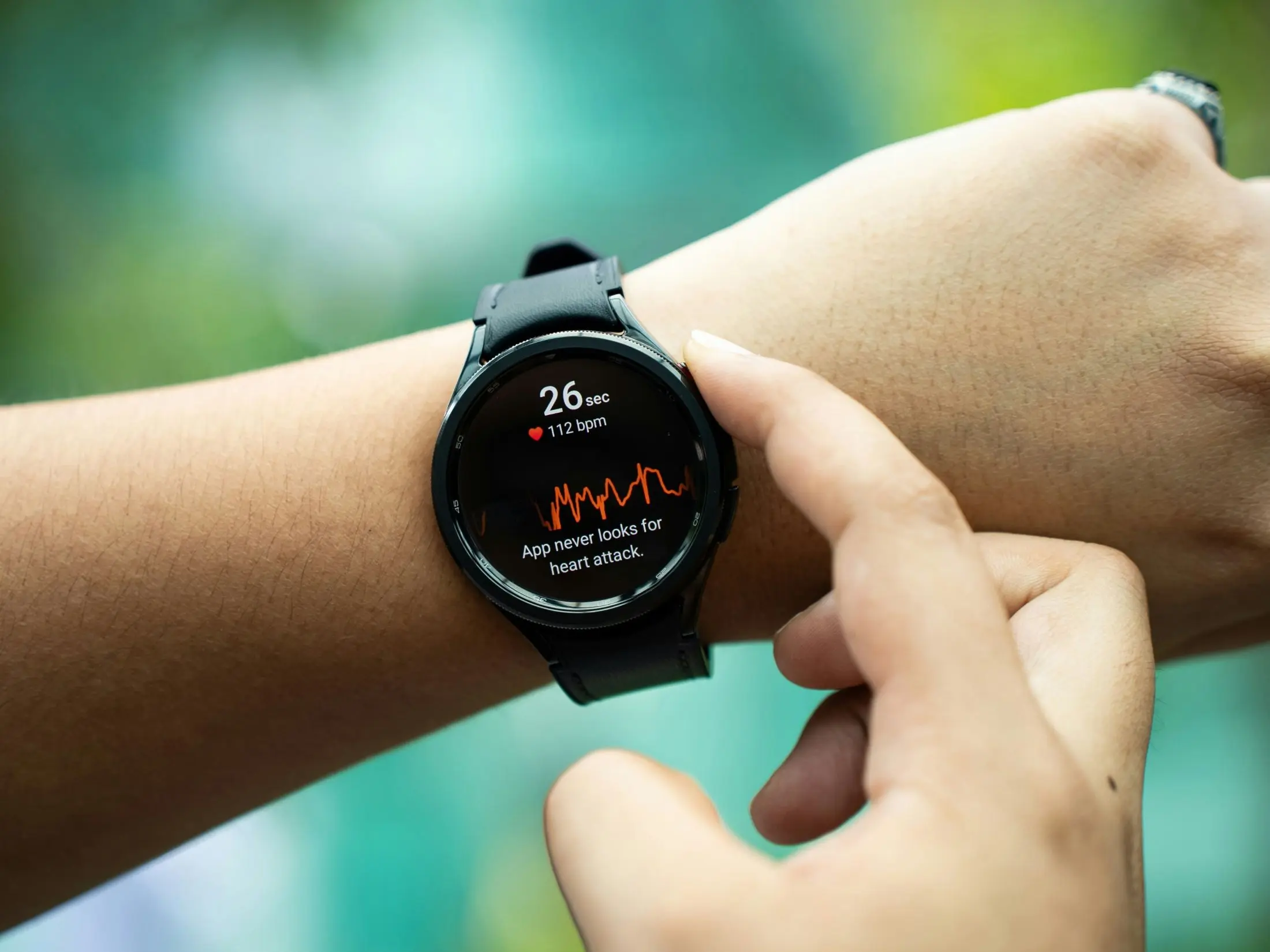
Samsung Electronics has unveiled a new suite of artificial intelligence models designed to analyse biosignal data collected from its wearable devices, including smartwatches and fitness bands. The initiative represents a significant advancement in the company's efforts to transform consumer-grade health monitoring into a more proactive and clinically relevant tool. By leveraging AI algorithms, Samsung aims to move beyond simple activity tracking and provide users with deeper insights into their cardiovascular health, sleep quality, and overall physiological well-being.
Biosignal data refers to the physiological electrical and optical signals generated by the human body, which can be captured non-invasively by modern wearable sensors. Common examples include photoplethysmography (PPG) signals used to measure heart rate and blood oxygen saturation, electrocardiogram (ECG) signals that record the heart's electrical activity, and skin temperature readings. Samsung's new AI models are specifically designed to interpret these raw signals, filter out noise, and identify patterns that may indicate underlying health conditions or early warning signs.
Understanding Biosignal Analysis in Wearables
Wearable devices have become increasingly sophisticated in recent years, with sensors capable of capturing a vast amount of physiological data. However, the raw data alone is often noisy and difficult to interpret. Traditional algorithms rely on rule-based thresholds, which can miss subtle abnormalities or produce false alarms. Samsung's AI-driven approach uses deep learning models that have been trained on large datasets to recognise complex patterns in biosignals, improving both accuracy and reliability.
For instance, the AI models can analyse heart rate variability (HRV), which is the variation in time between successive heartbeats. HRV is a valuable indicator of autonomic nervous system function and stress levels. Low HRV is often associated with chronic stress, poor sleep, and increased risk of cardiovascular events. By continuously monitoring HRV and applying AI algorithms, Samsung's wearables could alert users to potential health issues before they become critical.
Similarly, the analysis of ECG signals can detect atrial fibrillation (AFib), a common heart rhythm disorder that increases the risk of stroke. While many smartwatches now offer ECG monitoring, AI-powered analysis can detect more subtle irregularities and provide more accurate diagnostics. Samsung's new models are expected to enhance the detection of AFib by learning from millions of ECG recordings, distinguishing between benign anomalies and clinically significant arrhythmias.
Samsung's Health AI Ecosystem
Samsung's announcement aligns with its broader vision of creating a connected health ecosystem. The Samsung Health platform, which already serves millions of users worldwide, will integrate these AI models directly into its mobile and wearable applications. This integration allows for real-time analysis and personalised feedback, making health monitoring more actionable for everyday users.
In addition to cardiovascular monitoring, Samsung's AI models are designed to analyse biosignals related to sleep and respiratory health. By combining acceleration data, heart rate, and oxygen saturation (SpO2) readings, the models can estimate sleep stages, detect sleep apnoea, and provide insights into sleep quality. Sleep apnoea, a condition characterised by interrupted breathing during sleep, often goes undiagnosed and can lead to serious health complications. Wearable-based detection powered by AI could encourage users to seek formal medical evaluation.
The company has also hinted at future capabilities that might include mental wellness monitoring. By analysing HRV, skin conductance, and other biosignals, AI models could infer emotional stress and provide mindfulness or breathing exercises in response. This aligns with Samsung's focus on wellness, not just fitness, and positions the brand as a holistic health partner.
The Role of AI in Clinical Validation
One of the critical challenges in wearable health technology is ensuring that the measurements are accurate enough for clinical use. AI models must be validated against gold-standard medical devices and approved by regulatory bodies such as the U.S. Food and Drug Administration (FDA) or the European CE marking. Samsung has already received regulatory clearance for some of its health features, and the new AI models are expected to undergo rigorous testing to obtain similar approvals.
Clinical validation is essential because consumers may rely on wearable data to make health decisions. False positives can cause unnecessary anxiety, while false negatives can give a false sense of security. Samsung emphasizes that its AI models are trained on diverse datasets, including data from clinical trials and partnerships with medical institutions. This helps to reduce bias and improve generalisability across different populations, ages, and health conditions.
Moreover, Samsung is not alone in this space. Companies like Apple and Google have also invested heavily in AI-powered health analytics for their wearable devices. Apple's watch has already been credited with saving lives by detecting irregular heart rhythms. Google's Fitbit is exploring sleep apnoea detection and blood oxygen monitoring. Samsung's entry further intensifies the competition in the health-focused wearable market, pushing advancements in sensor technology and AI algorithms.
Potential Benefits for Personalised Healthcare
The integration of AI into wearable biosignal analysis has the potential to democratise healthcare. Instead of relying solely on periodic visits to a doctor, individuals can monitor their health continuously from home and share valuable data with healthcare providers. This shift towards personalised healthcare could enable earlier interventions, improved management of chronic diseases, and more efficient use of medical resources.
For example, patients with hypertension could track their blood pressure and heart rate trends, with AI providing insights into how lifestyle changes affect their readings. Diabetics could benefit from glucose monitoring combined with heart rate data to understand how exercise and stress impact their blood sugar levels. The ability to collect long-term data also helps physicians make more informed treatment decisions.
Samsung's AI models could also play a role in remote patient monitoring, particularly for elderly individuals who prefer to live independently. Wearables equipped with fall detection, heart rate monitoring, and AI-powered anomaly detection can alert caregivers or emergency services in case of an incident. This not only improves safety but also reduces the burden on healthcare systems.
Privacy and Ethical Considerations
As wearable biosignal data becomes more detailed and AI models become more powerful, privacy concerns inevitably arise. Samsung has stated its commitment to data security, using on-device processing where possible to keep sensitive health information local. However, the full capabilities of cloud-based AI analysis often require sending anonymised data to servers for training and improvement. Users should be aware of the trade-offs and have clear control over their data sharing preferences.
The ethical use of AI in healthcare also extends to algorithmic fairness. If training data are skewed towards certain demographics, the AI models might perform less well for others. Samsung must ensure that its models are tested across various ethnicities, genders, and age groups to avoid exacerbating health disparities. Transparency in how the models make decisions, as well as their limitations, will be crucial in building trust with consumers and the medical community.
Regulatory compliance is another important factor. With the introduction of stricter data protection laws such as the EU's General Data Protection Regulation (GDPR) and similar laws in other jurisdictions, Samsung must navigate a complex legal landscape. Health data is considered sensitive personal information, and any processing—especially by AI algorithms—must adhere to strict guidelines to ensure user consent and data integrity.
The Future of Samsung's Wearable AI
Looking ahead, Samsung is expected to continue expanding its AI capabilities and integrating them into a wider range of products. In addition to its Galaxy Watch series and Galaxy Fit bands, the company might extend biosignal analysis to other devices like earbuds, which can potentially measure heart rate and body temperature. The vision is a seamlessly connected ecosystem where multiple devices contribute to a comprehensive picture of the user's health.
Samsung is also likely to invest in the development of new sensors, such as non-invasive continuous glucose monitoring and blood pressure monitoring, which would require sophisticated AI to interpret. These technologies are currently in the research phase but could be commercialised within the next few years, fundamentally changing the management of chronic diseases like diabetes.
Moreover, the integration of generative AI could provide users with natural-language explanations of their health trends, making the insights more accessible to non-experts. Instead of merely displaying a chart, the Samsung Health app might explain that your sleep quality was lower this week due to increased stress and suggest actionable recommendations. This would mark a shift from passive data collection to an intelligent, interactive health advisor.
Industry Impact and Reactions
The announcement has generated significant interest in the health tech industry. Analysts believe that Samsung's move further validates the role of AI in consumer health devices, potentially driving more widespread adoption. By making advanced biosignal analysis available to a broader audience, Samsung is contributing to the growing movement of preventive medicine, where early detection and lifestyle intervention play a central role.
Healthcare providers are cautiously optimistic. While they recognise the potential benefits, they also warn about the need for proper clinical validation and education. Wearables are not a substitute for professional medical advice, but they can serve as a valuable complement. The collaboration between technology companies and health systems is likely to grow, with more providers willing to accept wearable data as part of patient consultations.
Consumers, on the other hand, are increasingly expecting their devices to do more than count steps. The demand for meaningful health insights is on the rise, and Samsung's latest AI models cater to this demand. As the technology matures and becomes more accurate, it will be interesting to see how it shapes the relationship between individuals and their own health.
In summary, Samsung's AI-powered biosignal analysis represents a milestone in the evolution of wearable health technology. By combining advanced sensors, deep learning, and trusted distribution channels, the company is poised to make a significant impact on how we monitor and understand our bodies. The future of healthcare is becoming more digital, personal, and preventive, and Samsung is clearly positioning itself at the forefront of this transformation.
Source: AI News News