

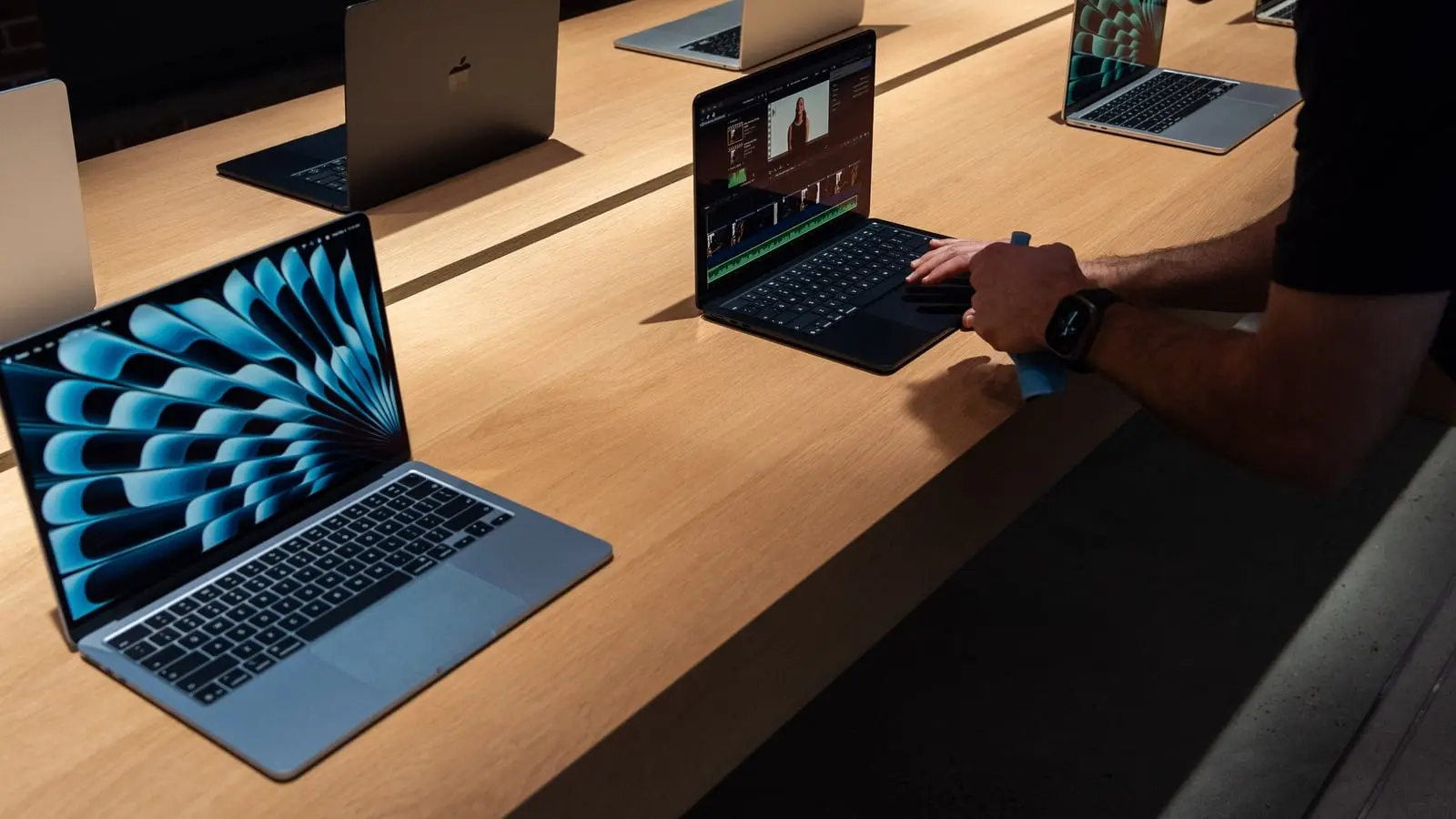
A 'hundred-year flood' is the phrase Apple CEO Tim Cook used to justify the recent price hikes across nearly all of the company's product lines. The increases ranged from 15% to over 50%, catching many consumers off guard. For instance, the Apple TV jumped from €189 to €299, while the iPad Air rose by €160 to €839. Even the MacBook Neo, launched just weeks earlier at €699, saw its price bump to €799.
These widespread price increases are not unique to Apple. Samsung, Dell, Lenovo, Asus, and HP have all raised prices on PCs, phones, and tablets. The main culprit behind this industry-wide trend is what experts call 'RAMageddon'—a dramatic rise in the cost of Random Access Memory (RAM) and other key components.
What Is RAMageddon?
RAM is a critical component in almost every electronic device, from smartphones to high-end servers. According to industry data from TrendForce, RAM prices nearly doubled in the first quarter of the year and were projected to rise another 60% in the second quarter. Counterpoint Research noted that certain types of RAM almost tripled in price between September 2024 and March 2025.
The driving force behind this surge is the massive demand for AI computing power. Tech giants are investing over $2.5 trillion in AI this year, much of it going toward building and upgrading data centers. These facilities require enormous amounts of high-performance RAM and processors, which are produced by a limited number of manufacturers like SK Hynix and Micron Technology.
These manufacturers face a choice: allocate production capacity to consumer-grade RAM for companies like Apple that carefully manage costs, or supply high-margin, high-demand RAM to AI firms willing to pay a premium. Unsurprisingly, they prioritize the latter, leading to shortages and price increases for consumer devices.
How Apple's Supply Chain Strategy Failed
Apple has long been admired for its ability to control costs through efficient supply chain management and component reuse. Tim Cook, as former chief operations officer, pioneered just-in-time manufacturing and secured favorable deals with suppliers. The company often repurposes chips across product lines—for example, using an iPhone processor in the MacBook Neo—to maximize economies of scale.
However, even Apple could not escape the RAM shortage. The company typically enjoys profit margins of 30–40%, far higher than competitors like Dell (5%) or Samsung (20%). In its most recent quarter, Apple's gross margin hit nearly 50%. While Cook claimed the price increases were necessary to maintain sustainability, critics argue that Apple could have absorbed some of the cost without sacrificing its generous profits.
Impact on Other Tech Products
The ripple effects extend beyond Apple. Gaming consoles have seen unprecedented price increases. The PlayStation 5, launched in 2020 at €400, now costs €600—a 50% increase. Xbox Series S rose from €300 to €350, with another $100 hike announced for August. Nintendo's Switch 2, released just a year ago, went from €470 to €500.
PCs and laptops are also affected. Dell raised prices in late 2025, and Asus and HP followed suit. Some manufacturers have resorted to 'shrinkflation'—reducing the amount of RAM or processor power in new models while keeping prices steady.
High-end graphics cards, vital for gaming and AI workloads, have experienced extreme inflation. Nvidia's flagship RTX series cost under $700 nine years ago; today's equivalent is around $2,000. This is due to Nvidia pivoting its production toward AI data centers, where buyers are willing to pay far more.
Market Consequences for Consumers
These price hikes come amid broader inflation and economic uncertainty. Consumers are already feeling pressured by rising living costs, job security concerns, and the disruptive impact of AI on employment. As a result, many are cutting back on luxury purchases like new phones, laptops, or consoles.
Industry analysts at IDC predict smartphone sales could fall 14% this year—the largest decline ever—and PC sales may drop over 11%. Even essential upgrades are being delayed, with users stretching device lifespans from two–three years to three–four years.
The higher prices may not benefit tech companies much, as they are merely passing along increased component costs. The real winners are component manufacturers like SK Hynix and Micron, whose revenues have soared. Meanwhile, consumers are left paying more for devices that are increasingly unaffordable.
A New Normal for Tech Pricing
The era of steadily falling electronics prices may be over. The AI boom has fundamentally altered the supply-demand balance for critical components. Until manufacturers build new fabrication plants—which takes years and billions of dollars—shortages are likely to persist. Consumers should expect higher prices and fewer bargains, while companies like Apple and Samsung will need to find new ways to maintain profitability without alienating their customer base.
Source: RTE.ie News