

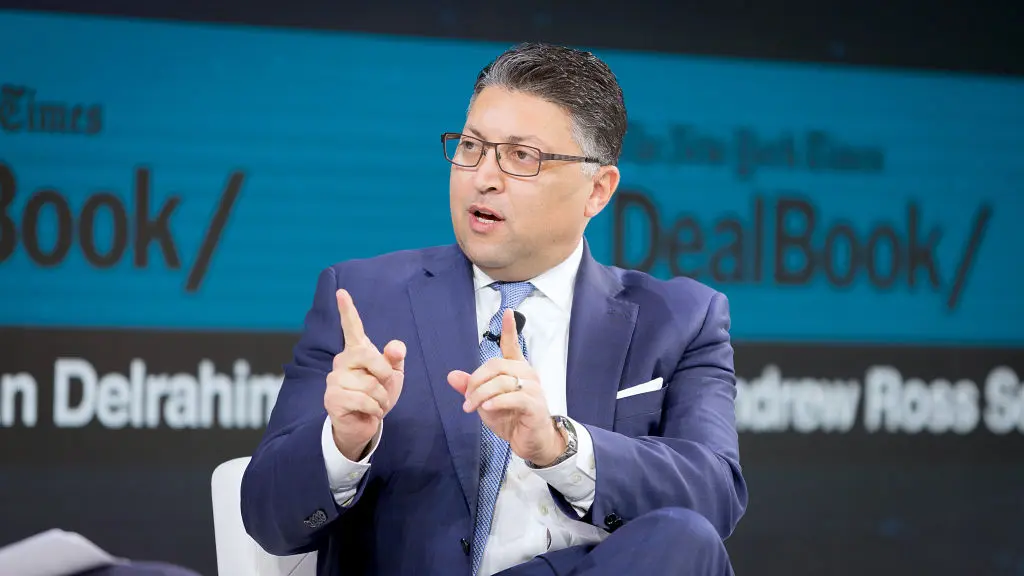
Paramount Skydance has fired a sharp accusation against Netflix, alleging that the streaming giant is orchestrating a 'scorched-earth campaign' to sabotage its proposed merger with Warner Bros. Discovery (WBD). In a letter dated June 5 and addressed to the U.S. Department of Justice's Antitrust Division, Paramount's chief legal officer Makan Delrahim claimed that Netflix is attempting to poison regulators and other stakeholders against the $79 billion merger. The letter, first reported by Politico, comes amid intense antitrust scrutiny of the deal, which would create a combined entity with massive debt and significant market power in film, television, and streaming.
A History of Acrimony
The rivalry between Paramount and Netflix is not new. Netflix, which had previously explored acquiring Paramount in early 2025 before backing out in February, now finds itself on the defensive. Paramount's letter specifically references Netflix's 'panic-level response' to the merger, arguing that Netflix's fear of losing a scaled competitor is driving its campaign. 'Netflix’s panic-level response and scorched-earth campaign to try and poison regulators and other stakeholders against the Transaction shows just how seriously Netflix takes Paramount as a scaled competitor,' Delrahim wrote.
The accusation stems from a March letter sent to the DOJ by the International Brotherhood of Teamsters, a union representing 1.3 million workers. The Teamsters urged the DOJ to block the merger unless substantial safeguards were put in place to protect domestic production and jobs. Paramount's June letter responds by arguing that the merger will actually increase work opportunities, not diminish them. Delrahim claimed that post-merger, Paramount would create more content—including movies, TV shows for streaming and broadcast—thereby boosting demand for writers, directors, actors, drivers, location scouts, casting directors, caterers, mechanics, and animal handlers.
Job Growth vs. Cost Cutting
Paramount's promise of job growth, however, contradicts its own SEC filings. In January, Paramount filed a document noting that the combined company expects to reduce content spend by less than 10 percent, though none of those cuts would come from film and TV studios. The same filing revealed that the merger would lead to job losses, primarily from 'duplicative operations' in back office, finance, corporate, legal, technology, infrastructure, and real estate. The merged entity would carry a staggering $79 billion in debt, raising questions about its long-term viability. Delrahim's letter insists that headcount in production, studio operations, and skilled trade labor represented by unions like the Teamsters will not be reduced, but critics remain skeptical.
Antisemitism Accusations Amplify Tensions
In a particularly provocative move, Delrahim expanded his accusations beyond Netflix, telling the Los Angeles Times that some opposition to the merger is driven by antisemitic views. 'Let’s be honest. There’s a lot of fear-mongering, particularly from people in Washington, D.C. They are running a political campaign. Some of these people are trying to inflict harm on this transaction really because of their own antisemitic views,' Delrahim said. The statement has drawn sharp criticism, with some accusing Paramount of using inflammatory rhetoric to deflect from legitimate antitrust concerns.
The merger faces a complex regulatory landscape. The DOJ under the Biden administration has taken a tough stance on media consolidation, particularly after the 2019 Disney-Fox merger, which led to significant job losses and project cancellations. The Teamsters cited that example in their March letter, arguing that the Paramount-WBD deal would follow a similar pattern. Delrahim dismissed that comparison, claiming that Disney's content spend actually increased after the Fox acquisition, though analysts dispute that figure. He pointed to Disney's 2019 Form 10-K, which showed $7.1 billion spent on film/TV production and $10.5 billion on program licenses—but total content spend that year was closer to $28 billion, meaning Disney's projected $24 billion in 2026 would be a decrease, not an increase.
Paramount's Optimistic Outlook
Paramount CEO David Ellison has been publicly promising a robust content pipeline, stating that post-merger the company would release at least 30 feature films annually, each with a theatrical window of at least 45 days. Since Paramount's merger with Skydance in 2025, the company has purchased or renewed 20 shows and plans to nearly double its theatrical output compared to the previous year. Delrahim's letter to the DOJ paints a picture of a thriving content ecosystem: 'More films and series in production means more call sheets, more location days, more transportation, casting, and catering work.'
Netflix responded to the accusations by calling them 'absurd.' A spokesperson said, 'We walked away from this deal months ago and remain focused on our own business, not theirs. Ultimately, it’s up to the regulators to approve this deal and determine if it is in the best interest of the industry and all concerned.' The Teamsters have not commented, and Paramount declined to respond to further inquiries about the letter.
Broader Implications for Media Consolidation
The Paramount-WBD merger is one of the most consequential media deals in recent years. If approved, it would combine two of the largest film and television studios, creating a company with significant leverage over streaming, theatrical distribution, and pay-TV. The debt load of $79 billion raises concerns about future investment in content and worker welfare. Meanwhile, Netflix's alleged interference highlights the fiercely competitive landscape, where streaming giants are increasingly using regulatory channels to block rivals. The outcome of the DOJ's review will set a precedent for future media mergers, particularly in an era where streaming dominance is reshaping traditional entertainment economics.
The DOJ is expected to make a decision on the merger by late 2025. Both companies have argued that the deal will enhance competition against tech giants like Amazon, Apple, and Netflix itself. However, opponents—including labor unions, consumer advocates, and some lawmakers—contend that further consolidation will harm workers, reduce content diversity, and saddle the new entity with unsustainable debt. As the regulatory battle intensifies, the accusations of antisemitism and scorched-earth tactics may further polarize stakeholders, complicating what is already a contentious approval process.
Source: Ars Technica News