

Throughout the United States, data centers are growing larger, requiring more energy to keep them running. This isn't a temporary trend—data centers underpin everything from cloud services and artificial intelligence to machine learning and streaming platforms. They are fundamental to the operation of the modern internet and complex digital processes, making them a critical piece of global infrastructure. But they also consume staggering amounts of electricity. As energy becomes an increasingly hot topic, it's worth examining just how much power these facilities need and what it would take to supply it.
The Growing Energy Appetite of Data Centers
The number of data centers in the United States has exploded over the past decade. As of writing, there are 4,439 operational data centers across all 50 states, according to industry sources. Each facility has different energy requirements depending on its size, cooling systems, and computing load. In aggregate, the annual electricity consumption of U.S. data centers was estimated at 31 gigawatts (GW) in 2025. That figure is not static—it grows every year as more servers are deployed and existing facilities are upgraded. By 2027, the total is projected to double to around 62 GW, driven by the expansion of AI workloads, cloud computing, and the increasing digitization of everyday life.
To put that into perspective, 31 GW is enough to power roughly 27 million average American homes for a year. The rapid growth means that data center energy demand could soon outstrip the capacity of existing power grids, raising concerns about reliability, costs, and environmental impact. Many data center operators have turned to renewable energy sources like solar and wind, but these are intermittent and require large battery storage to provide a constant supply. Nuclear power, on the other hand, offers reliable, around-the-clock baseload electricity—making it an attractive option for power-hungry facilities.
Nuclear Power: A Reliable Baseload Source
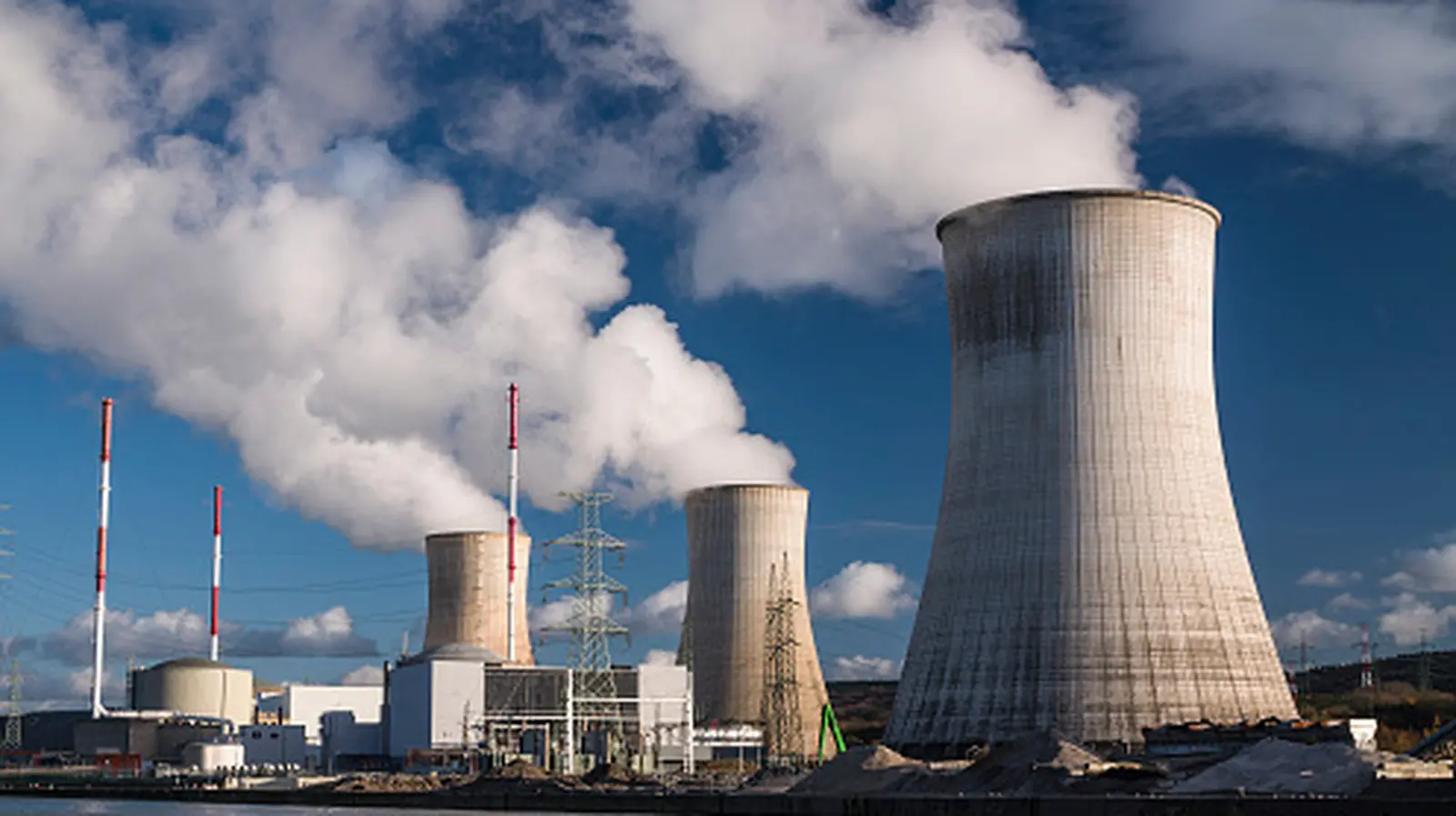
Nuclear power has been generating electricity in the United States since 1951, when the Experimental Breeder Reactor-I first produced usable power through atomic fission. Today, the U.S. operates 94 commercial nuclear reactors at 54 power plants, which together supply about 18.2% of the nation's electricity. A modern nuclear reactor typically has a capacity of about 1 GW—enough to power roughly 876,000 homes. This steady, high-density output makes nuclear uniquely suited to meet the constant, massive demands of data centers, which operate 24/7 and cannot tolerate downtime.
Several major technology companies have already begun exploring nuclear energy for their data center campuses. Microsoft, for example, has signed power purchase agreements for electricity from nuclear plants, and Google has invested in small modular reactor (SMR) concepts. Amazon Web Services has also expressed interest in colocating data centers with nuclear facilities. These moves reflect a growing recognition that renewables alone may not be sufficient to guarantee carbon-free, always-on power for the digital economy.
The Math Behind the 31 Reactors
Using the 2025 baseline of 31 GW of total data center power demand, and assuming an average nuclear plant output of 1 GW, it would take approximately 31 nuclear reactors to supply all of America's data centers. That number is a simplified calculation, as actual power requirements vary by region, grid efficiency, and the specific mix of energy sources. But it provides a useful benchmark. Of the 94 reactors currently operating in the U.S., more than half would be needed if they were dedicated solely to data centers. Currently, nuclear plants serve a wide range of customers, including residential, commercial, and industrial users.
By 2027, when data center demand is expected to reach 62 GW, the required number of reactors would jump to at least 62—a figure that exceeds the total number of reactors currently online in the U.S. Even if all existing reactors were repurposed for data centers, they could not cover the projected demand. New reactors would need to be built, but that is easier said than done.
Challenges and Future Outlook
The U.S. Department of Energy has highlighted several challenges to powering data centers with nuclear plants. The most significant are the high capital costs, long construction timelines, and regulatory hurdles associated with building new reactors. The last two new nuclear units to come online in the U.S.—at the Vogtle plant in Georgia—took more than a decade to complete and cost over $30 billion, far exceeding original estimates. While advanced reactor designs, such as small modular reactors (SMRs) and microreactors, promise lower upfront costs and faster deployment, they are still in the prototype phase and have not yet been commercialized at scale. The Nuclear Regulatory Commission has not yet licensed any SMR for operation, though several designs are under review.
Another obstacle is the lack of a clear regulatory framework for colocating data centers with nuclear plants. Currently, most data centers connect to the existing electrical grid, which draws power from multiple sources. Directly powering a data center from a dedicated nuclear plant would require new interconnections and possibly changes to transmission policies. There are also public concerns about nuclear safety, waste disposal, and proliferation risks, which can slow down or block new projects.
Despite these challenges, interest in nuclear-powered data centers is rising. In early 2026, several startup companies announced plans to build SMR-powered data center campuses in Wyoming, Virginia, and Ohio. These projects are still in the permitting stage, but they signal a shift in how the industry thinks about energy. Some analysts predict that by 2035, as many as 20% of new data center capacity could be powered by nuclear energy, especially if SMRs become commercially available. Meanwhile, data center operators are also investing in energy efficiency improvements, advanced cooling techniques, and on-site solar and battery storage to reduce their grid demand.
The rapid growth of data centers shows no signs of slowing down, driven by AI, machine learning, streaming, and the Internet of Things. As U.S. data center power demand is set to double by 2027, the nation's ability to generate sufficient clean, reliable electricity will be tested. Nuclear power plants could be part of the solution, but only if the industry and regulators can overcome the barriers to building new reactors. Whether through existing large plants or next-generation SMRs, the energy required to sustain America's digital infrastructure will demand innovative approaches.
Source: SlashGear News