

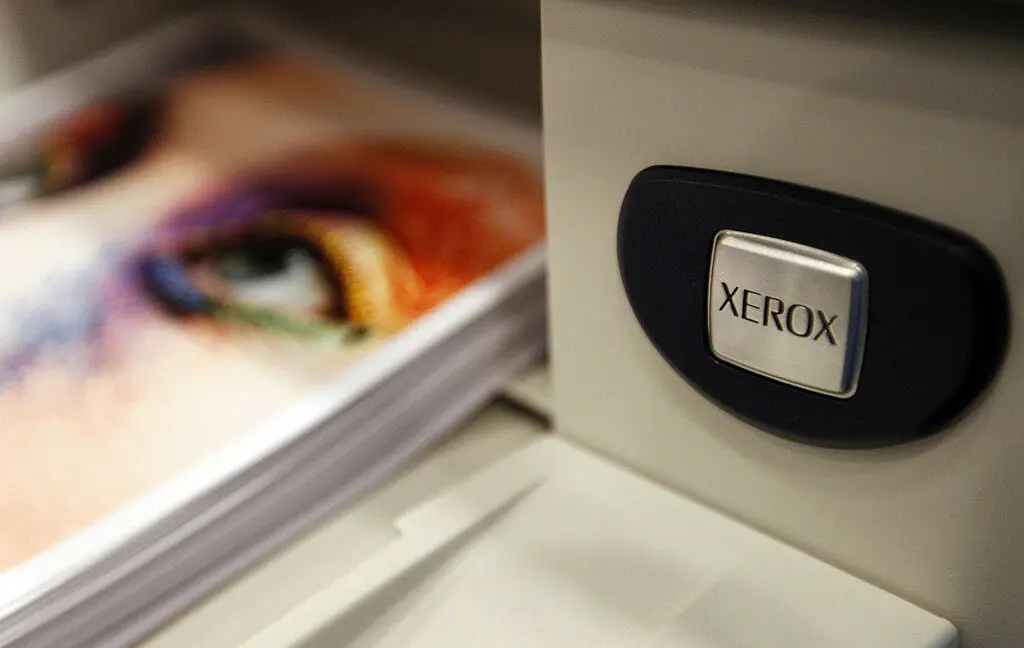
Four Australian men have been sentenced for attempting to smuggle 22.4 kilograms (49.4 pounds) of cocaine into the country using Xerox printers, in a case that underscores the evolving tactics of organized crime networks. The plot, uncovered in 2017, involved concealing compressed white powder within the paper trays of five printers shipped from overseas. The Australian Federal Police (AFP) and Australian Border Force (ABF) intercepted the shipment at a Melbourne facility, removed the drugs, replaced them with an inert material, and fitted the printers with tracking devices before allowing the package to continue to its intended destination: a factory in Airport West, Victoria.
The Sentencing and Investigation
According to an AFP and ABF announcement, three of the four men arrested in May 2017 have now been sentenced. In March 2025, one man received nine years of imprisonment with a non-parole period of four-and-a-half years. Two others were sentenced earlier: one received ten years with a non-parole period of five-and-a-half years in 2025, and another was sentenced in 2022 to ten years with a non-parole period of six-and-a-half years. The fourth man arrested was found not guilty. The street value of the cocaine was estimated between 9.3 million and 12.4 million Australian dollars (approximately $6.7 million to over $9 million USD at the time).
The AFP's Acting Commander Simone Butcher emphasized the significance of the operation, stating that it is part of a broader effort to disrupt organized crime groups. “The AFP, as well as our domestic and international partners, are steadfast in our mission to protect the community by disrupting and dismantling organized crime groups and their efforts to profit off the misery caused in our community,” Butcher said. This case reflects the increasing sophistication of drug smuggling operations, which often exploit legitimate commercial shipping routes and everyday objects to evade detection.
Printers as a Smuggling Tool
This is not an isolated incident. The use of printers and printer-related components to conceal illicit substances has been documented in multiple countries. In 2019, India's Narcotics Control Bureau intercepted a package containing approximately 422 grams (about 0.9 pounds) of cocaine hidden in secret chambers inside printers. That shipment had originated from Canada, and two men were arrested after a decoy package was delivered to the intended address. One of the suspects admitted to being part of a drug ring that regularly used printers to smuggle cocaine into India.
In the United Kingdom, a man was sentenced to 31 years in prison in 2024 for orchestrating a scheme that used printer toner cartridges to import cocaine from the Netherlands. The drugs were concealed within pallets of toner cartridges and shipped to a storage unit controlled by the organized crime group. Over three separate occasions in 2020, the group imported cocaine with a total street value of up to £132 million (approximately $178.5 million). The Crown Prosecution Service detailed how the cocaine was brought to a location in the Netherlands, hidden in cartridges, and transported via courier service to the UK.
Earlier, in 2014, Australian authorities charged a woman for allegedly using laser printer cartridges to smuggle an undisclosed amount of methamphetamine. The suspicious white powder visible on the cartridges—typically black in color—raised red flags. And in 2022, two men in Australia were arrested for using 3D printers to smuggle 30 kilograms (66.1 pounds) of methamphetamine into the country. At the time, AFP Assistant Commissioner Pryce Scanlan noted, “Intelligence indicates [the] syndicate were attempting to import quantities of up to 100 kg [220.5 pounds] at a time. We suspect they were operating long before we started monitoring them and were involved in multiple other drug trafficking plots targeting Australia.”
The Broader Context of Drug Smuggling and Technological Innovation
The trend of using office equipment for drug smuggling reflects a cat-and-mouse game between law enforcement and criminal syndicates. As border security technology improves, traffickers seek increasingly creative concealment methods. Printers, with their complex internal cavities—such as paper trays, toner compartments, and wiring channels—offer plausible deniability and are often shipped in bulk, making them harder to inspect individually. In the Australian case, the drugs were compressed into 10 packages and hidden within the paper trays, a design that allowed them to fit seamlessly into the printer's structure.
Law enforcement agencies have responded by deploying advanced scanning technologies, including X-ray systems that can detect density anomalies, and by conducting risk-based profiling of shipments. In many cases, they also employ controlled deliveries, where the drugs are replaced with harmless substitutes and the shipment is monitored until suspects attempt to retrieve it. This technique was used in both the Australian and Indian cases, leading to successful arrests.
The financial incentives for drug smuggling remain enormous. The global cocaine trade is estimated to be worth billions of dollars annually, with Australia being a high-value market due to high demand and geographic isolation. The street price of cocaine in Australia is among the highest in the world, making it an attractive target for international cartels. This profitability drives continuous innovation in concealment methods, from printers and toner cartridges to 3D printers, furniture, and even food items.
Global Cooperation and Legal Implications
Combating such smuggling requires international collaboration. The AFP works closely with counterparts in source and transit countries, including the United States, Canada, Europe, and Southeast Asia. Information sharing and joint operations have led to the dismantling of several major trafficking networks. In the UK printer toner cartridge case, cooperation between Dutch and British authorities was crucial in intercepting the shipments.
Sentences for drug smuggling in Australia are severe, reflecting the government's tough stance. Possession of a commercial quantity of a border-controlled drug, such as the 22.4 kg of cocaine in this case, can result in life imprisonment. The non-parole periods handed down—ranging from four-and-a-half to six-and-a-half years—indicate that the offenders will serve substantial time even if eligible for early release. The acquittal of one defendant shows that not all involved are necessarily convicted, but the overall outcome sends a strong deterrent message.
As technology evolves, so too do the methods of criminals. The use of 3D printers represents a new frontier, as these devices can be programmed to print objects with internal voids specifically designed to hide drugs. In the 2022 Australian case, the methamphetamine was concealed inside 3D-printed objects that appeared to be ordinary plastic components. This requires law enforcement to continuously update their training and equipment to detect such sophisticated concealment techniques.
The printer smuggling cases also highlight the importance of customs and border officers, who are often the first line of defense. In the original Melbourne interception, ABF officers noticed inconsistencies in the printers' weight and structure, prompting further inspection. Their vigilance prevented a significant quantity of cocaine from reaching the streets and potentially causing addiction and violence.
Source: Ars Technica News