

The smartphone industry is bracing for a seismic shift in flagship pricing, and a new leak from China suggests that Xiaomi's next premium device could lead the charge with a remarkably high starting price. According to tipster Digital Chat Station, the rumored Xiaomi 18 Pro is expected to debut at around 6,000 yuan—approximately $882 at current exchange rates. That would represent a stunning 20% increase over the Xiaomi 17 Pro, which launched at 4,999 yuan ($734) just last year. If accurate, this would mark Xiaomi's most aggressive price hike in years, and one that could redefine consumer expectations for high-end Android phones.
The primary driver of this increase is a well-documented surge in memory component prices. Global DRAM and NAND flash costs have been climbing steadily, driven largely by a pivot in supplier focus toward artificial intelligence and machine learning hardware. Companies like Samsung, Micron, and SK Hynix have reallocated production lines to meet the insatiable demand for AI accelerators and high-bandwidth memory used in data centers and neural processing units. The resulting supply constraints trickle down to consumer electronics, forcing handset makers to pay more for the 12GB or 16GB of RAM and fast UFS 4.0 storage that flagships require. Xiaomi's last-generation flagship already used generous amounts of memory, and the 18 Pro is expected to push further with up to 24GB of RAM, making it especially susceptible to component price swings.
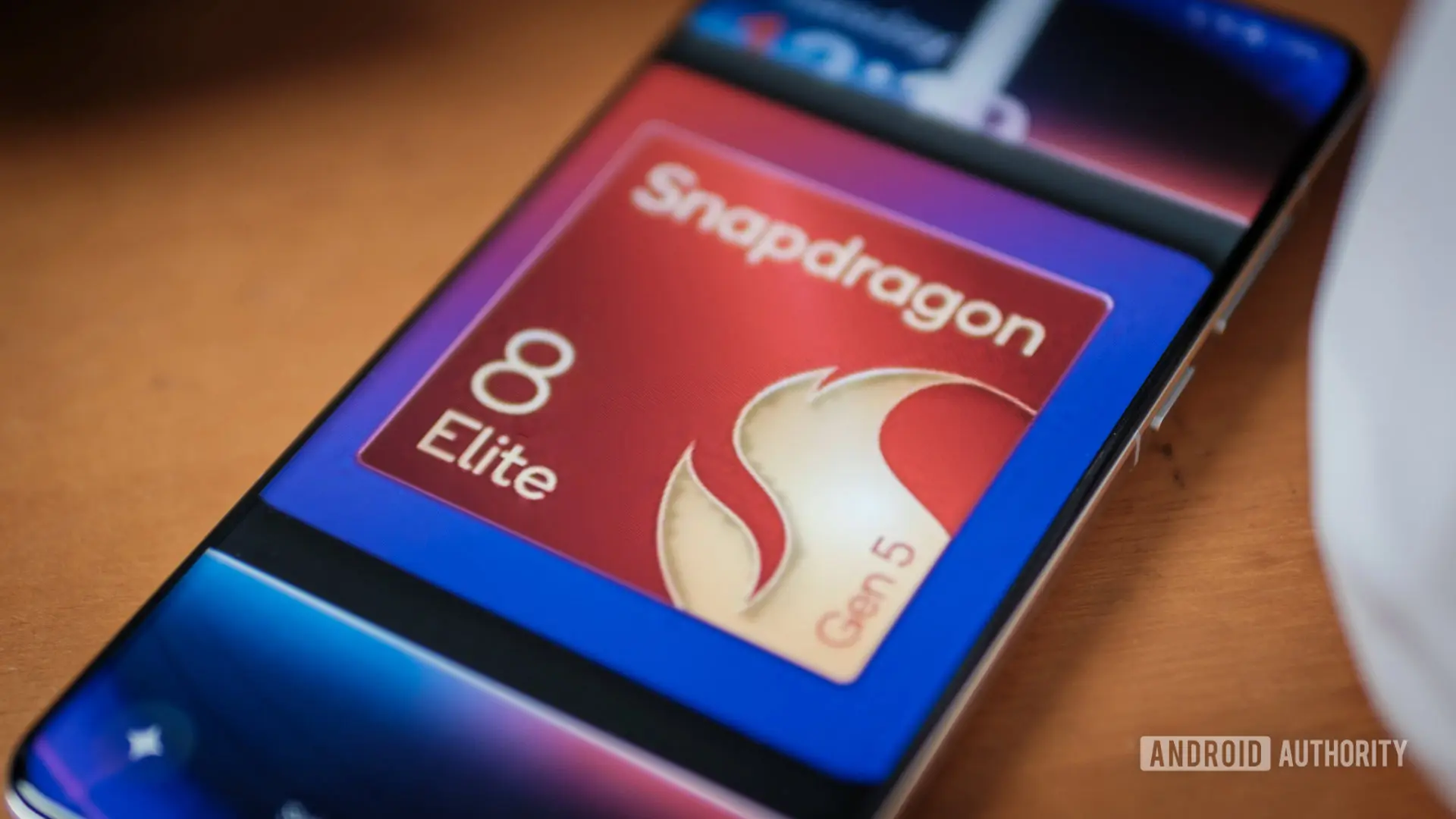
But memory is only part of the story. The Xiaomi 18 Pro is also expected to be one of the first phones to ship with Qualcomm's upcoming Snapdragon 8 Elite Gen 6 Pro chipset. This is a crucial distinction—Xiaomi has built a reputation as Qualcomm's launch partner, often debuting new flagship silicon months ahead of rivals in China and then rolling out globally. The Snapdragon 8 Elite Gen 6 Pro is rumored to boast a custom Oryon CPU design, a next-generation Adreno GPU with ray tracing, and a vastly improved AI engine capable of on-device generative tasks. While these advancements promise leapfrog performance, they also come at a cost. Qualcomm's premium chipset pricing is known to increase with each generation, and early adopters often bear the brunt. Xiaomi may be absorbing some of that cost, but given the memory pressures, it likely has no choice but to pass a significant portion to the consumer.
A Look Back at Xiaomi's Pricing Strategy
Xiaomi has historically positioned itself as a value leader in the flagship space, offering top-tier specs at prices well below those of Samsung, Apple, and even Chinese rivals like Oppo and Vivo. The Xiaomi Mi series, later rebranded as the numbered flagships, has consistently undercut competitors while delivering cutting-edge features. For example, the Xiaomi 14 Pro launched at 4,999 yuan in late 2023, the same as the 17 Pro a year later. That price stability was a key selling point for buyers who wanted premium hardware without the premium markup. However, with the 18 Pro, the company appears ready to break from that tradition.
Financial analysts suggest that Xiaomi's margins on flagships have been thinning as component costs hike faster than the company can optimize supply chains. The company's smartphone division reported a slight dip in gross margin in the last fiscal quarter, with executives hinting that price adjustments might be necessary for future products. The Xiaomi 18 Pro could be that inflection point. The 20% jump is steep, but it may also reflect Xiaomi's ambition to move further upmarket, integrating more expensive components such as improved camera sensors, fast charging solutions, and premium build materials like titanium frames or ceramic backs.
Beyond the hardware, the software experience is also evolving. HyperOS, Xiaomi's unified operating system, is expected to receive a major update alongside the 18 Pro. With deeper AI integration, features like real-time language translation, AI photography enhancements, and smart scheduling could become more sophisticated. Research and development for these software features adds to overall product cost, which ultimately factors into the retail price.
The Memory Cost Crisis in Detail
To understand why the Xiaomi 18 Pro might cost so much, it helps to examine the dynamics of memory pricing in the tech industry. DRAM and NAND—the two primary memory types used in smartphones—experienced a glut in 2023 and early 2024, leading to a price collapse. That was a boon for phone makers, who enjoyed low component costs and offered devices with generous memory configurations at competitive prices. But by late 2025, the market had reversed sharply. Suppliers had cut production to stem losses, and then AI demand for high-bandwidth memory (HBM) and enterprise NAND skyrocketed. As a result, spot prices for DDR5 and LPDDR5X chips have risen by over 30% year-over-year, while NAND prices have surged even more.
This is a global phenomenon affecting not just Xiaomi but every smartphone brand. Apple is rumored to be facing similar pressures with the iPhone 17 series, and Samsung's Galaxy S26 is also expected to see price increases. However, because Xiaomi typically fits high RAM and storage configurations—often starting at 12GB/256GB and going up to 24GB/1TB—the impact is disproportionately large. A 20% increase in bill of materials due to memory could translate directly into a similar percentage hike at retail.
Furthermore, the shift to AI-focused hardware isn't limited to memory. The Snapdragon 8 Elite Gen 6 Pro includes a dedicated AI engine that consumes significant die area, driving the overall cost of the SoC. Qualcomm's licensing fees for Oryon cores also contribute. While some of these costs are offset by manufacturing efficiencies at TSMC's 3nm process, the net effect is a more expensive chip package. For a volume leader like Xiaomi, the trade-off is between absorbing the cost or passing it to customers.
What Buyers Can Expect from the Xiaomi 18 Pro
Despite the steep price, the Xiaomi 18 Pro is expected to offer significant upgrades. Beyond the new Snapdragon platform, leaks suggest a revamped camera system with a large 1-inch type sensor, perhaps the Sony IMX989 successor, and a periscope telephoto lens with 5x optical zoom. Battery technology is also likely to improve, with rumors pointing to a 5,500mAh cell supporting 120W wired and 50W wireless charging. Display enhancements include a brighter LTPO OLED panel with 144Hz refresh rate and micro-lens array for better efficiency.
AI-driven features will be a major differentiator. On-device generative AI could help with photo editing, text composition, and voice interactions without needing cloud connectivity. The Snapdragon 8 Elite Gen 6 Pro's on-device AI performance might allow real-time background replacement in video calls or intelligent game optimization. These capabilities require both processing power and memory, further justifying—though perhaps not fully excusing—the higher price in the minds of consumers.
Xiaomi will also need to justify the $882 price tag in global markets, where additional tariffs and logistics costs could push the final price even higher. In Europe, for instance, the Xiaomi 18 Pro might sell for over €1,000, placing it in direct competition with the Apple iPhone Pro Max and Samsung Galaxy S Ultra series. That would be new territory for Xiaomi, which has always pitched its flagships as affordable alternatives. Success in this segment will depend on whether the company can deliver a truly uncompromised experience that rivals (or surpasses) the mainstream leaders.
Market Reaction and Comparative Pricing
Early reactions on Chinese social media have been mixed. While some tech enthusiasts welcome the promise of cutting-edge hardware, others complain that Xiaomi is straying from its value-first roots. However, it's important to note that the 6,000 yuan price is just a leak, and final pricing may change. Xiaomi could also offer multiple storage variants, with a base model at 5,500 yuan and higher tiers pushing past 6,500 yuan. Additionally, launch promotions, trade-in programs, and carrier subsidies could soften the blow for early adopters.
Compared with rivals, the Xiaomi 18 Pro's potential price still undercuts the Samsung Galaxy S26 Ultra, expected to start at around 8,000 yuan in China, and the iPhone 17 Pro Max, which may exceed 9,000 yuan. So even with a 20% hike, Xiaomi maintains some pricing advantage. But for consumers who are more price-sensitive, the gap may be narrowing, forcing them to consider mid-range alternatives like the Xiaomi Redmi K80 series or devices from realme and iQOO that offer near-flagship performance at lower prices.
The broader industry trend is clear: flagship phones are becoming more expensive across the board due to component inflation, advanced silicon, and the growing emphasis on AI. Xiaomi's move with the 18 Pro may simply be the canary in the coal mine, signaling that the golden era of sub-$800 flagships is coming to an end. Buyers should plan accordingly, and perhaps be grateful that Xiaomi is still unlikely to eliminate the headphone jack
Source: Android Authority News