

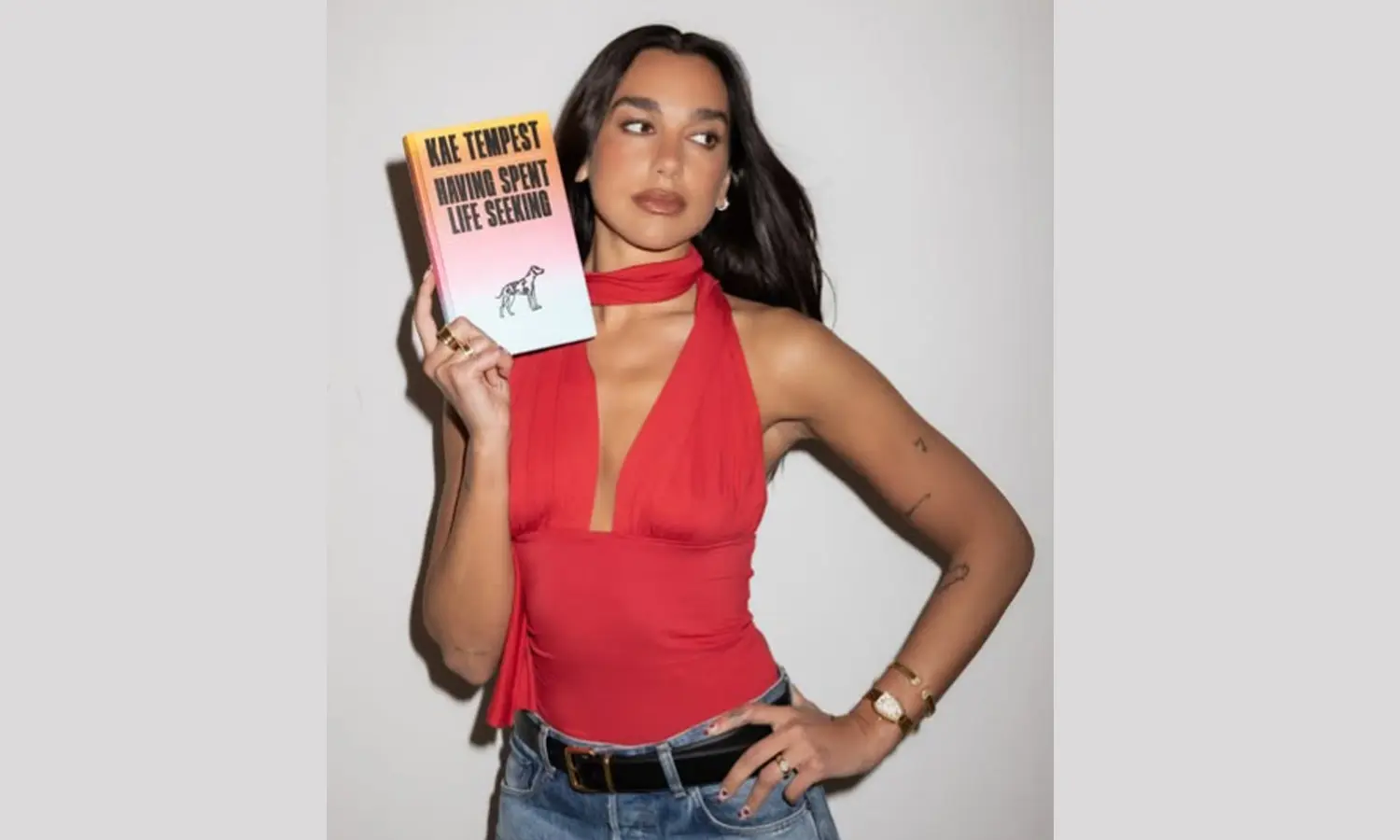
A Pop Icon’s New Mission
Dua Lipa, the Grammy-winning pop star known for hits like “Levitating” and “Don’t Start Now,” has added a surprising new role to her resume: librarian. On June 27, 2026, Lipa opened her first-ever physical library at the BABELL International Book Festival in Porto, Portugal. The Manifesto Library, as it is called, is housed within the newly built cultural auditorium of Livraria Lello, one of the world’s most beautiful and historic bookstores. The library is dedicated to banned and challenged books, a cause that has become increasingly urgent in recent years as censorship efforts surge across the globe.
Speaking at the opening, Lipa said, “Sometimes the most subversive thing you can do is read a book and then talk about it.” Her words resonated with the crowd of authors, publishers, and readers who gathered to celebrate the launch. The library, Lipa explained, “stems from the belief that much more than a story is lost when a book is censored.” It is a shrine to books that have disappeared, to authors whose courage unmasks structures of power and control, and to readers who refuse to be told what they can read.
The Manifesto Library: A Haven for Banned Books
The Manifesto Library features 100 books carefully selected by Lipa and her team at Service95, her global book club and newsletter. The collection is organized around four themes: Power, Control, Voice, and Memory. These categories reflect the library’s mission to challenge censorship, exclusion, and dominant narratives. Each theme addresses a different aspect of how books have been targeted: Power focuses on figures who hold authority and influence; Control deals with the suppression of freedom of thought; Voice highlights perspectives that are often disregarded; and Memory fights against historical erasure.
Among the prominent banned and challenged titles in the collection are Margaret Atwood’s The Handmaid’s Tale, George Orwell’s 1984, Simone de Beauvoir’s The Second Sex, Yoko Ogawa’s The Memory Police, and Salman Rushdie’s The Satanic Verses. These works, along with many others, have been subjected to bans, challenges, or intense public debate. The library also includes books that take censorship itself as their subject, as well as those that provoke uncomfortable yet necessary discussions about race, gender, identity, and political power.
Lipa’s choice of location is significant. Livraria Lello, founded in 1906 in Porto, is a neo-Gothic masterpiece with a grand staircase, stained-glass ceiling, and ornate wooden bookshelves. It has long been a pilgrimage site for book lovers and was even rumored to have inspired J.K. Rowling’s depiction of Flourish and Blotts in the Harry Potter series. By placing The Manifesto Library in such a storied venue, Lipa affirms the enduring power of books as cultural artifacts and symbols of intellectual freedom.
Why Banned Books Matter
The opening of The Manifesto Library comes at a time when book bans are on the rise, particularly in the United States. According to research from PEN America, nearly 23,000 book bans have occurred in U.S. public schools since 2021. The majority of these bans target literature that addresses racial inequality, LGBTQIA+ identities, and other sensitive topics. Books are often challenged because they expose uncomfortable truths and deal with complex socio-political issues. Defenders of intellectual freedom argue that reading—especially reading banned books—is a crucial step toward protecting democratic values and giving voice to marginalized perspectives.
Lipa’s library is a direct response to this trend. Service95, in a statement, explained the objective behind the launch: “It’s a space that brings together titles that have been subject to public debate, some that take censorship itself as their subject, and others that have provoked sustained, uncomfortable debate about race, gender, identity, and political power. Some books haven’t been directly challenged but instead do the challenging—whether of existing power structures or the suppression of individual and collective voices—amplifying voices and preserving memories that others have tried to erase.”
Historical precedents abound. From the burning of ancient texts in the Library of Alexandria to the Nazi book burnings of the 1930s, the suppression of knowledge has always been a tool of authoritarian regimes. In more recent times, books like Harper Lee’s To Kill a Mockingbird and Toni Morrison’s Beloved have faced challenges for their depictions of racism and violence. The Manifesto Library stands as a bulwark against such erasure, asserting that no book should be deemed unworthy of being read and discussed.
Dua Lipa’s Journey as a Reader and Advocate
Lipa’s passion for reading is well documented. In 2022, she founded the Service95 Book Club, which quickly grew into a global community of readers. The book club releases monthly picks and features in-depth author interviews on Lipa’s podcast. Through Service95, Lipa has showcased a wide range of voices, from contemporary novelists to classic thinkers. The Manifesto Library is an extension of that mission, transforming a digital community into a physical space.
“When I founded the Service95 Book Club, my ambition was for it to become a home for writers and readers, wherever they are and whatever their circumstances,” Lipa shared at the opening. She emphasized that reading is a medium that brings the world together, and that fighting against censorship is integral to her work. Her own reading habits are eclectic: she has recommended everything from Elena Ferrante’s Neapolitan novels to Ta-Nehisi Coates’s Between the World and Me. By spotlighting banned books, she is taking a stand against efforts to limit what people can access and imagine.
Lipa’s activism extends beyond books. She has been outspoken on issues ranging from climate change to women’s rights. In 2023, she launched Service95 as a platform for social commentary and cultural recommendations. The Manifesto Library, however, represents her most direct intervention in the fight for intellectual freedom. It is a testament to her belief that popular culture and serious literature can coexist, and that artists have a responsibility to use their platforms for meaningful change.
The Collection: Challenging Narratives
A closer look at the 100 books in The Manifesto Library reveals a carefully curated blend of classics, contemporary works, and non-Western voices. Under the theme “Power,” readers will find works like Animal Farm by George Orwell and The Power by Naomi Alderman, both of which explore the dynamics of authority and control. “Control” includes dystopian novels such as Fahrenheit 451 by Ray Bradbury, which itself is a story about book burning and censorship. “Voice” highlights marginalized authors like Audre Lorde and James Baldwin, whose explorations of race and sexuality have often been attacked. “Memory” preserves the stories of suppressed histories, such as Art Spiegelman’s Maus, which was banned in some school districts for its graphic depiction of the Holocaust.
The diversity of the collection underscores a key point: censorship does not only affect one genre or subject. It touches every aspect of human expression. By grouping books thematically, Lipa encourages visitors to think about the patterns behind censorship and to consider why certain ideas are considered dangerous. The library is not just a repository of books; it is an interactive experience. The space includes reading areas, discussion zones, and digital resources that allow visitors to explore the history of each banned title.
Livraria Lello itself has a history of championing controversial literature. The bookstore has long been a hub for progressive ideas, and its new auditorium is designed to host events, debates, and readings. The Manifesto Library is expected to become a permanent fixture, drawing visitors from around the world. Lipa has hinted that the library may expand in the future, possibly adding more titles or even traveling to other cities.
The Bigger Picture: Rising Book Bans and the Fight for Intellectual Freedom
The opening of The Manifesto Library cannot be understood without considering the broader context of rising censorship. In the United States, PEN America’s data shows that book bans have accelerated dramatically since 2021, with the majority targeting works by or about people of color and LGBTQIA+ individuals. Many of these bans are orchestrated by grassroots conservative groups that aim to remove any material they deem “inappropriate” or “critical of America.”
Similar trends are visible in other countries. In the United Kingdom, books on gender identity have been pulled from school libraries. In India, authors like Arundhati Roy and Perumal Murugan have faced legal challenges and calls for censorship. In Hungary, laws restricting LGBTQIA+ content have led to the removal of books from stores. Globally, literary censorship is once again a major concern, prompting organizations like Amnesty International and the International Publishers Association to issue urgent appeals.
The Manifesto Library is a direct counter to this climate. Lipa’s celebrity status gives the issue unprecedented visibility. When a pop star with millions of followers declares that reading banned books is a subversive act, the message reaches far beyond traditional literary circles. Young fans who may never have considered picking up The Second Sex or The Satanic Verses might be inspired to explore them.
Lipa herself has noted that the library is not just about the past but about the future. “Books are bridges,” she said. “They connect us across time, space, and difference. We must protect them.” The Manifesto Library stands as a beacon of hope for all who believe that the free exchange of ideas is the foundation of a just society. It is a reminder that even in an age of digital distraction, the physical act of reading a book—especially one that someone tried to suppress—remains a powerful act of resistance.
Source: Deccanchronicle News