

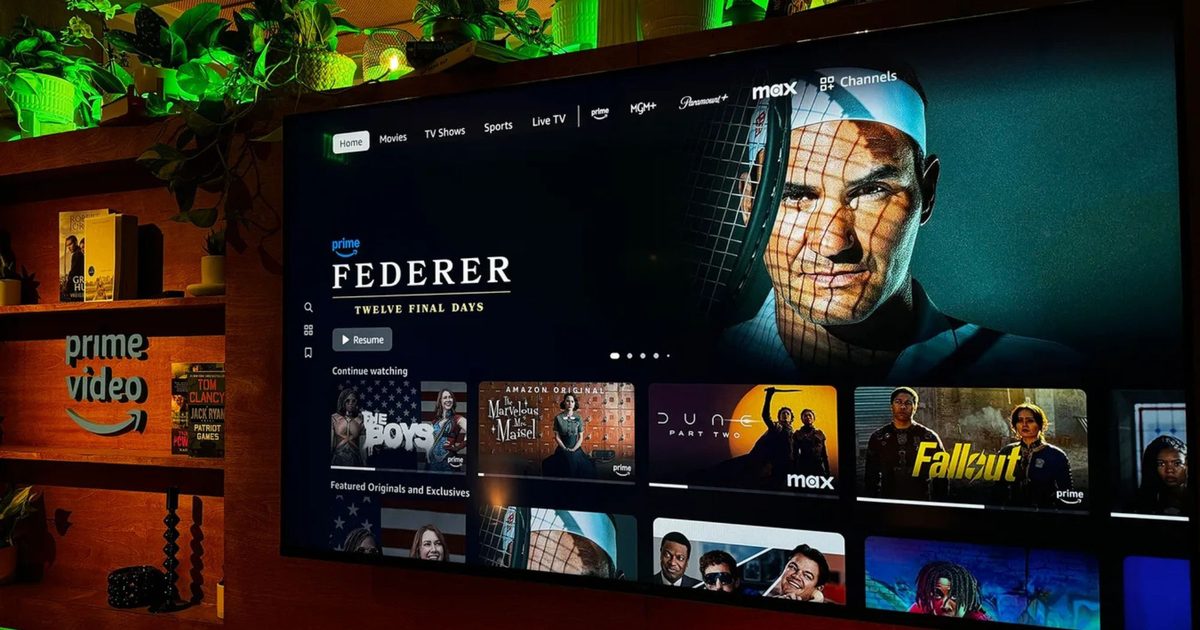
Prime Video's home screen has remained largely unchanged for years, presenting subscribers with rows of tiles that often fail to match their viewing preferences. Amazon is now betting that artificial intelligence can finally address this long-standing issue, with founder Jeff Bezos personally directing the effort.
The Lighthouse Initiative: What's Changing?
According to internal reports, Bezos has instructed Prime Video head Mike Hopkins to fundamentally reimagine the streaming service with AI at its core. The project, internally known as Lighthouse, is already reshaping how the app functions. Unlike the current fixed grid that shows the same content to every user, the redesigned home page will build rows based on AI-generated recommendations. These rows could be tailored around specific prompts like 'action movies from the 1980s' or 'Christmas rom-coms,' shaped by the user's own viewing history and preferences.
Amazon is also considering deeper integration of its Alexa voice assistant into the search function. Instead of typing, viewers could say what they're in the mood for, making content discovery more intuitive. Traditional search remains an option, and the top of the screen will still highlight key events like Thursday Night Football, the NFL game exclusive to Prime Video. These changes represent a significant departure from the current static layout, which critics have called outdated and unhelpful.
The Driving Force Behind Bezos's AI Push
The Lighthouse project did not originate as a routine update. Reuters reports that it stemmed from a tense meeting last fall, where Bezos expressed dissatisfaction with the original plans, arguing they did not go far enough in leveraging AI and personalization. The team scrapped that version entirely and began anew under global design lead Kam Keshmiri. Bezos has remained personally involved since, a notable move given his reduced daily role at Amazon since 2021.
This effort is part of Amazon's broader commitment to AI. The company has allocated approximately $200 billion in capital spending this year, largely tied to AI infrastructure, on top of an initial $23 billion investment split between OpenAI and Anthropic. Lighthouse is one component of Amazon's strategy to strengthen its AI reputation as competitors like Google and Microsoft move quickly. Currently, Prime Video holds just 4.2% of US television viewing, lagging behind YouTube, Netflix, and Disney+. This gives Amazon ample motivation to improve its offering.
However, Amazon's other major AI project, an overhauled version of Alexa, has delivered mixed results and is reportedly still losing money. This raises questions about whether Prime Video's AI investments will yield better returns.
Does More AI Benefit Viewers?
Like most streaming platforms, Prime Video allows studios to pay for prime placement on the home screen. If the new AI-driven personalized rankings replace some of that paid real estate, viewers could see content based on their interests rather than who paid the most. This would mark a shift toward more honest recommendations, which is good for users.
Yet skepticism remains. Netflix has implemented similar AI fixes to combat what many call 'scrolling fatigue,' and many subscribers still complain of spending more time browsing than watching. It is unclear whether Prime Video's AI-first approach will eliminate paid placements entirely or simply bury them within the algorithm. If paid content remains but is hidden in plain sight, the improvement for viewers may be minimal.
The broader streaming landscape shows that content discovery remains a major pain point. Services like Max, Hulu, and Paramount+ each have their own curation challenges. Amazon's unique position as an e-commerce giant also brings potential for cross-platform data integration, but privacy concerns may temper enthusiasm.
For now, Amazon is testing early versions of Lighthouse with a small group of users. Feedback from this test group could further reshape the final layout before a wider rollout. Whether Lighthouse actually eases scrolling fatigue or just dresses it up differently will only be known once it reaches user screens.
The streaming industry is watching closely. If Amazon succeeds in delivering truly personalized recommendations that feel organic rather than algorithmic, it could set a new standard. If not, Prime Video risks remaining a secondary service—one that viewers open only when they already know what to watch. The AI gamble, backed by Bezos's personal attention, aims to change that. But history suggests that solving viewer frustration requires more than just adding AI to the interface.
Source: Digital Trends News