

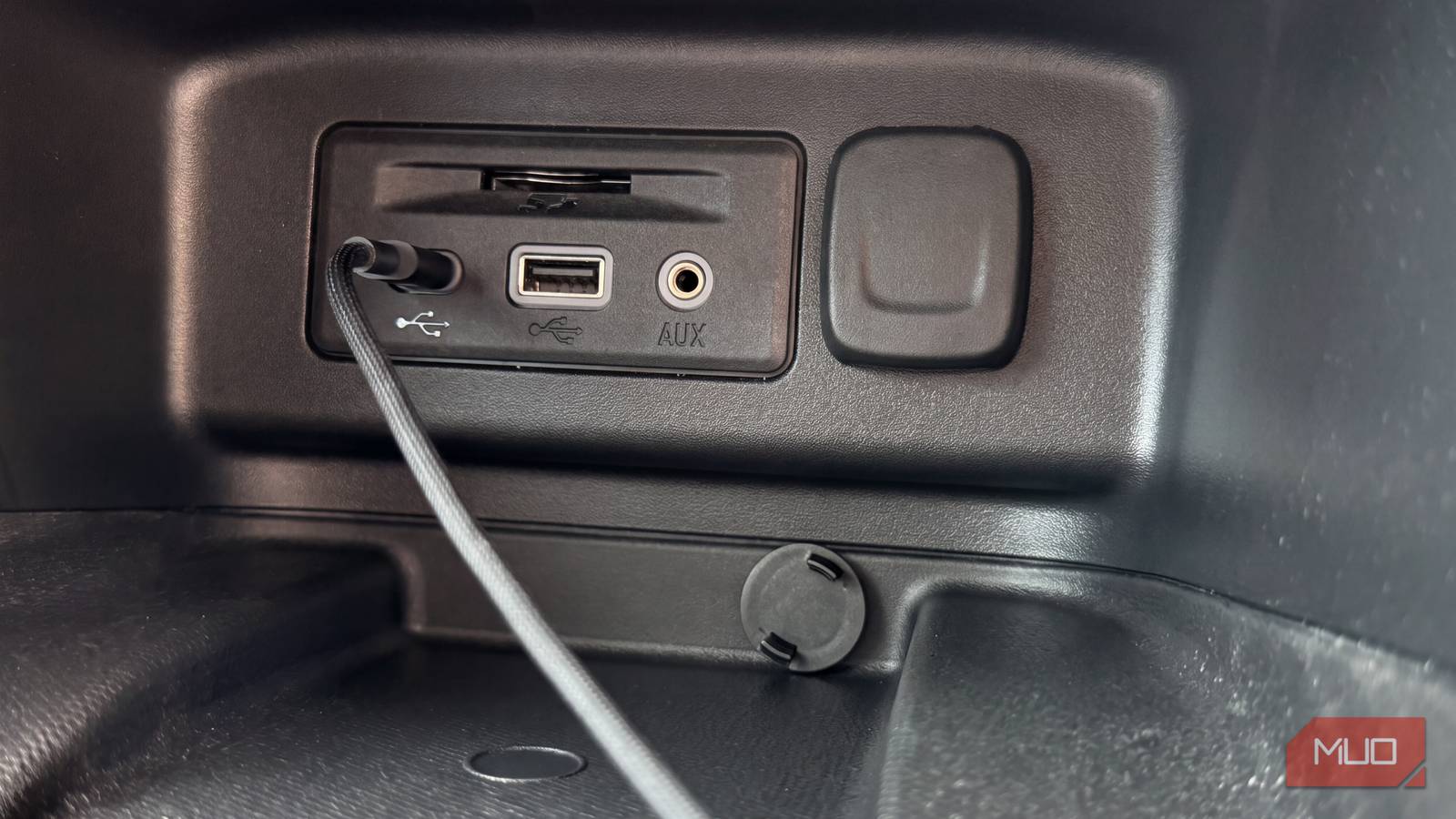
Why the USB port deserves a second look
USB ports have been standard in cars for years, yet most drivers treat them as little more than phone chargers or the wired connection for Android Auto and Apple CarPlay. That narrow view leaves a lot of utility unused. The same port that tops up a smartphone can also power a small dashcam, an air purifier, a humidifier, a tire-pressure monitor, a handheld vacuum, a music-filled flash drive, or a set of ambient light strips. None of these add-ons is exotic, and most cost far less than a single tank of fuel. The right gadget can make a commute safer, a cabin cleaner, or a long drive more entertaining.
The appeal is partly practical and partly economic. Modern cars often have multiple USB outlets, including USB-C ports that can deliver more power than older USB-A sockets. Accessories designed for these ports are compact, removable, and easy to move between vehicles. They do not require drilling holes or rewiring the electrical system, which makes them attractive to drivers who lease a car or prefer reversible upgrades. The main limitation is power: not every car USB port is rated for high-current devices, so checking the owner’s manual and the accessory’s wattage is essential before plugging in.
There is also a difference between a USB port that only charges and one that also handles data. A charging-only port may be fine for a dashcam or a light strip, while a data-capable port is needed for a flash drive full of music. Some vehicles reduce power to USB outlets when the engine is off, which affects parking-mode dashcams and other devices meant to run unattended. Drivers should test each outlet, read the labels, and use a reputable 12-volt adapter if a gadget needs more current than the built-in port can supply.
Dashcams: a safety net for the price of a dinner out
A dashcam is one of the most convincing arguments for putting a car’s USB port to work. Basic models start at around $60, and they can provide a record of collisions, near misses, road rage, and insurance disputes. The installation is usually simple: mount the camera on the windshield or rear glass, aim it through the swept area of the wipers, and connect it to a USB outlet. Many units begin recording automatically when power is applied and overwrite the oldest footage in a loop, so there is no need to manage storage every day.
Drivers who already own an old smartphone can repurpose it as a dashcam instead of buying dedicated hardware. A phone mount, a charging cable, and a camera app can produce usable footage, though a dedicated dashcam is generally more reliable in heat and easier to leave in place. For either setup, cable routing matters. The wire should not cross the driver’s field of view, interfere with pedals, or block airbags. A few adhesive clips can keep the cable tidy and reduce the chance of it snagging during an emergency.
Dashcams also have limits. A USB port that shuts off with the ignition will not support parking-mode monitoring unless the camera has its own battery or a separate hardwire kit. Heat can shorten the life of any camera left on a dashboard, and memory cards need periodic formatting to avoid corruption. Even so, the core benefit remains: a relatively small purchase can preserve evidence that would otherwise be lost.
Air quality and humidity add-ons
Air quality inside a closed cabin can deteriorate quickly. Traffic exhaust, dust, pollen, and odors can build up on a commute, especially when recirculation is used for long periods. A USB-powered air purifier can sit in a cupholder or on a console and provide a modest stream of filtered air. These units are not replacements for a properly maintained cabin filter, and their small fans cannot clean a whole vehicle instantly. Still, they can help in a confined space, and some models double as scent diffusers for drivers who want a fresher-smelling interior.
A USB humidifier addresses a different problem. Air conditioning removes moisture from the air, which can leave throats dry and eyes irritated on long drives. A small humidifier can add some moisture back into the cabin. Drivers should use distilled water to reduce mineral buildup, clean the reservoir regularly, and avoid over-humidifying a small space. These devices are inexpensive and easy to store, but they work best as a comfort aid rather than a medical device.
Tire-pressure monitoring without a factory display
Many older cars have no tire-pressure readout on the dashboard, even though correct inflation is important for safety, fuel economy, and tire life. An aftermarket tire-pressure monitoring system can fill that gap. Kits typically include valve-cap sensors and a small display, and some can be powered from a USB outlet or a 12-volt socket. Prices are often around $50, which is modest compared with the cost of premature tire wear or a roadside failure.
Installation is usually straightforward, but accuracy and battery life vary. A driver should choose a kit with clear instructions, check the readings against a trusted gauge, and replace sensor batteries when needed. Valve-cap sensors are easy to fit but can be vulnerable to theft or damage; internal sensors are more secure but require professional installation. For a car that lacks a factory system, even a basic aftermarket display can make a hidden problem visible before it becomes expensive.
Portable vacuum cleaners for daily messes
A handheld car vacuum is another gadget that can charge from a USB port and live in the glovebox or a door pocket. Prices often fall between $20 and $30. The suction will not match a full-size workshop vacuum, but it is usually enough for crumbs, dust, pet hair, and sand tracked in from the beach. Parents, pet owners, and drivers who eat on the go will get the most use from one.
Look for a model with a washable filter, a crevice tool, and a brush attachment. Those accessories make it easier to reach seat rails, footwells, and the space between the console and the seats. Empty the dustbin after each use and clean the filter regularly; a clogged filter quickly reduces suction. Because these vacuums are small, they are best treated as a maintenance tool for quick cleanups rather than a substitute for a deep interior detail.
Flash drives: offline music that saves phone battery
A USB flash drive is the simplest upgrade on this list, and it may cost nothing at all. Many cars can read music files directly from a USB drive, which means a driver can load a favorite playlist and leave the phone in a pocket. This is useful in areas with weak cellular coverage, on long road trips, and in older vehicles that lack reliable Bluetooth streaming. It also avoids the battery drain that comes from running navigation, streaming, or Android Auto and Apple CarPlay for hours.
Compatibility is the main consideration. Most car stereos expect drives formatted as FAT32 or exFAT, and some have limits on file types, folder depth, or capacity. A driver should test the drive in the car before relying on it for a trip, organize music into folders, and keep a backup copy elsewhere. High temperatures can shorten the life of any storage device left in a parked car, so a glovebox or center console is usually a better home than a dashboard tray.
Ambient lighting and cabin aesthetics
USB-powered LED strips are an easy way to change the mood of a cabin. Kits often cost $15 to $20 and can be run along footwells, under the dashboard, or beside door panels. Many include a remote or a phone app for changing colors, adjusting brightness, and syncing the lights to music. Some kits can even add under-glow for a more dramatic look.
This is an aesthetic upgrade rather than a safety feature, and it should be installed with care. Wiring must be secured so it does not interfere with pedals, seat tracks, or airbags. Bright strips should not reflect in the windshield or distract the driver at night. Local rules on exterior lighting vary, so under-glow should be checked against local regulations before use. For drivers who want a subtle change, a single footwell strip can be enough; for others, a full kit turns a plain cabin into a personalized space.
Source: MakeUseOf News