

The Vivo V80 is not the kind of phone that usually dominates headlines, but its camera software might be the most interesting thing in the midrange market this season. The device combines a 7200mAh battery, a 144Hz OLED display, IP68/69 protection, and a 50MP ZEISS selfie camera with a new AI Creation mode that until recently was reserved for more expensive Vivo models. At ₹62,999, or roughly $660, the V80 is trying to make the case that flagship camera features do not have to start at flagship prices.
Key facts at a glance
- Price: ₹62,999, roughly $660.
- Display: 6.59-inch OLED, 144Hz refresh rate, 1.5K resolution, true 10-bit color, 4320Hz PWM dimming, and full DC dimming option.
- Processor: Snapdragon 7 Gen 4 with 8GB RAM.
- Battery: 7200mAh with 90W charging.
- Main camera: 50MP Sony LYTIA 700V.
- Telephoto: 50MP Sony IMX882 with 3x optical zoom.
- Ultrawide: 8MP or 12MP depending on region.
- Selfie camera: 50MP ZEISS center-stage 90-degree camera.
- Durability: IP68/69 ingress protection.
- Availability: India, Southeast Asia, Middle East, and other regions in the coming weeks.
A midrange phone with flagship camera ambitions
Vivo has spent years building a reputation for camera-focused phones. Its flagship X series often lands on lists of the best camera phones, particularly for portrait photography, low-light processing, and zoom. The problem is that those features usually come with a flagship price. The V80 is notable because it brings one of Vivo's newest AI camera tools to a much more affordable device. That alone makes it more interesting than a typical spec-sheet upgrade.
The V80 also arrives at a time when smartphone buyers are being asked to pay more for less in some segments. Memory costs, component prices, and currency shifts have made midrange phones less predictable. A device that pairs a huge battery, a high-refresh OLED panel, and a camera feature borrowed from a flagship has a clear narrative. It is not just about megapixels. It is about whether the software experience can make ordinary photos look dramatically better.
Specs that punch above the price
The hardware list is strong for the segment. The 6.59-inch OLED panel runs at 144Hz and offers 1.5K resolution. Vivo says it supports true 10-bit color without dithering, which should help with gradients and HDR content. The display also includes 4320Hz PWM dimming at low brightness, plus an option for full DC dimming. Those details matter for people who are sensitive to flicker or who spend long hours reading on their phone.
The Snapdragon 7 Gen 4 and 8GB of RAM are not flagship-class, but they should be enough for everyday multitasking, social media, and camera processing. The 7200mAh battery is the headline hardware number. It is unusually large for a phone with a 6.59-inch screen, and it suggests that battery life could be a major selling point. The 90W charging support should help refill that cell quickly, though actual speed will depend on the charger and region.
The camera array is equally ambitious. The main sensor is a 50MP Sony LYTIA 700V. There is also a 50MP Sony IMX882 telephoto camera with 3x optical zoom. Ultrawide resolution varies by region, with 8MP or 12MP options. For selfies, Vivo uses a 50MP ZEISS center-stage 90-degree camera. The IP68/69 rating adds another premium touch, suggesting the phone can handle dust and water exposure better than many rivals.
The AI Creation mode is the headline feature
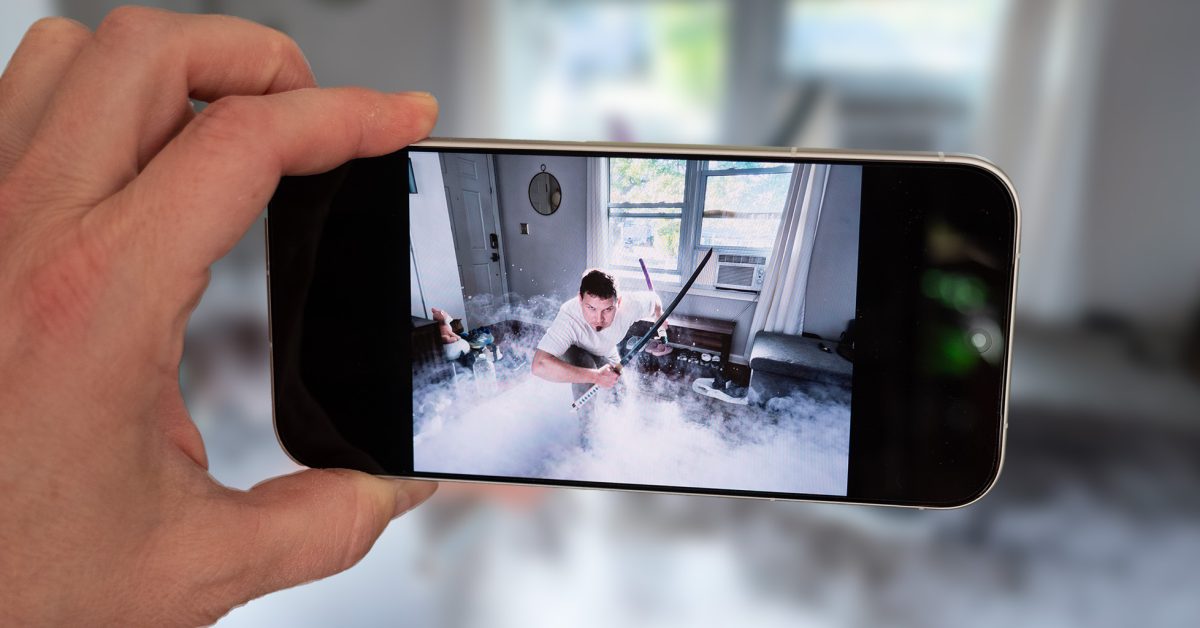
The most important part of the V80 is not a sensor or a battery number. It is the AI Creation mode. This is the same feature found on the more expensive Vivo X500, which costs about $300 more. The mode uses cloud processing to analyze a scene and automatically apply a style that it thinks will improve the shot. It can add depth, color, lighting effects, and atmosphere. It can also remove people from a photo automatically, without requiring the user to circle or mask anything.
The experience is designed to be simple. When the user points the viewfinder at a scene, the phone scans it and suggests a look. It also offers two additional styles for quick selection. Anyone who wants more control can open the full interface and choose from a wider set of options. Original images remain available in the gallery, and users can apply a different style after the photo has been taken. That flexibility is important because AI edits are subjective, and a style that looks great for one scene may look overdone for another.
Convincing results, with limits
The AI Creation mode can produce results that are genuinely striking. In landscape scenes, it can rescue flat lighting and bring back colors that the camera might otherwise miss. The Travel category includes a Sunlight style that can create convincing lighting effects. Other modes are more dramatic and obviously stylized, which makes them better suited to creative photos than documentary ones. Some of the landscape options look convincing at first glance, but zooming in can reveal obvious AI editing artifacts.
That trade-off is worth understanding. These tools are not trying to be invisible. They are trying to make photos look more dramatic, more colorful, or more atmospheric. For social media, that can be exactly what people want. For anyone who needs an accurate record of a scene, the edits can be a problem. Vivo preserves the original image, which helps, but the edited version may still be the one that gets shared. The line between photography and digital illustration becomes blurry, and users need to know which version they are looking at.
Cloud processing trade-offs
The AI Creation mode relies entirely on cloud processing. That means the phone sends the image to a server, processes it, and returns the result. Vivo says processing takes about one minute per photo, and up to 10 images can be processed at the same time. In testing, no clear daily processing limit was found. The trade-off is that users need a network connection. In areas with poor signal, the photo may not be ready immediately. The phone can still capture the original, but the AI version may have to wait.
Cloud processing has advantages. It can use more powerful models than a midrange chip could handle on-device. It can also produce consistent results across devices, which is why the V80 can offer the same mode as a more expensive model. But it raises questions about privacy, data usage, and dependence on server availability. Vivo says original images are stored on the device, but users should still understand what is being uploaded and when. A one-minute wait is not a dealbreaker for casual shooting, but it changes the experience for anyone who wants instant results.
The missing AI watermark problem
The biggest concern is not image quality. It is disclosure. Vivo does not use SynthID or another standardized way to mark these images as AI-edited. The EXIF data includes a field that references AI Creation, but that is not the same as a visible or machine-readable standard marker. Even some AI tools do not reliably detect that metadata. That matters because AI-edited images can spread quickly, and viewers may not know that what they are seeing has been substantially altered.
Standardized labeling would not stop bad actors, but it would help platforms, journalists, and ordinary users identify AI-generated or AI-edited content. It would also give Vivo a stronger position on responsible AI. The company is not alone in this gap, but that does not make it less important. A camera mode that can add dramatic lighting, change atmosphere, or remove people is powerful. Powerful tools should come with clear signals about what they have done. The V80's AI Creation mode is impressive, but its lack of a standard AI marker is a real weakness.
Why this matters for the midrange market
The V80 shows how quickly AI camera features are moving down the price ladder. A year or two ago, this kind of processing was a flagship talking point. Now it is appearing on a phone that costs roughly $660. That shift could pressure other brands to offer similar tools in the midrange. It could also change what buyers expect from a phone camera. Megapixels and optical zoom still matter, but software-driven creativity is becoming part of the value proposition.
The V80 also has to compete with phones that offer stronger raw performance, better ultrawide cameras, or more established software support. Its success will depend on whether the AI Creation mode feels like a useful creative tool or a novelty. The 7200mAh battery, 144Hz OLED display, and IP68/69 protection give it a solid foundation. The camera software gives it a personality. For buyers who want a phone that can produce eye-catching images without a lot of manual editing, the V80 is worth watching.
The Vivo V80 is scheduled to arrive in India, Southeast Asia, the Middle East, and other regions in the coming weeks. Pricing starts at ₹62,999, with regional availability and ultrawide camera specifications varying by market.
Source: 9to5Google News