

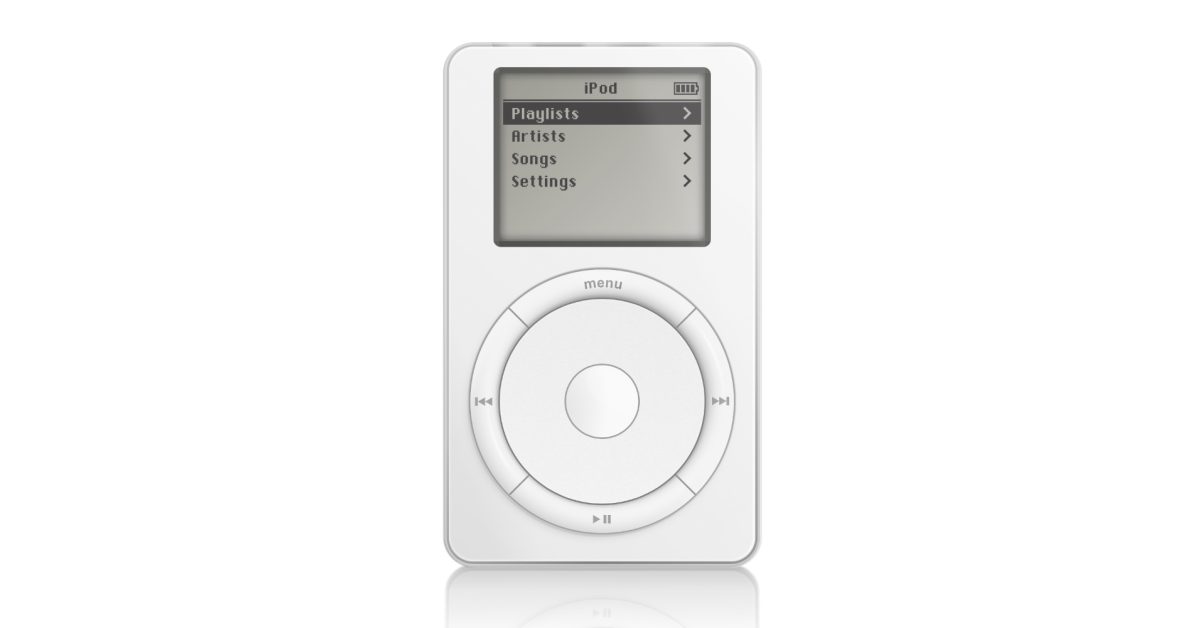
Key facts at a glance
- Apple has added a fully interactive original iPod model to a Page Not Found screen on its website.
- The hidden feature marks the 25th anniversary of the iPod's public unveiling on October 23, 2001.
- Visitors can use clickable buttons and a scroll wheel that responds to clicking and dragging.
- The virtual device comes loaded with songs from artists who were popular when the first iPod arrived.
- Each song can play a 90-second preview inside the browser interface.
- The iPod line is discontinued, but the product remains one of Apple's most influential hardware designs.
A hidden iPod inside an error page
Apple has turned a routine error page into a small museum piece. When visitors reach a Page Not Found screen on the company's music website, the usual text is replaced or accompanied by a detailed, interactive model of the original iPod. The device appears in the classic design language of the first-generation player, with a rectangular body, a small screen, a circular scroll wheel, and the familiar control layout. It is not a static image. The buttons respond to clicks, and the wheel can be dragged around to move through menus. The result is a browser-based tribute that feels surprisingly close to holding the original hardware, even though the experience is built entirely from web elements.
How the easter egg works
The feature is triggered by visiting a path on Apple's music website that does not exist. Instead of a bare error message, the page presents the virtual iPod as a playful reward for exploring. A path such as /ipod is one way to reach it, but any nonexistent address in the same area can surface the same screen. Once the model appears, visitors can use the clickable controls to browse the pre-installed library. The scroll wheel supports clicking and dragging, which mimics the physical motion of running a finger around the original iPod's wheel. Songs can be selected and played as 90-second previews directly in the interface. That detail turns the easter egg from a visual joke into a working mini-player.
Why the timing matters
The easter egg arrives on the 25th anniversary of Apple's unveiling of the first iPod. Apple introduced the device on October 23, 2001, at a time when portable music was dominated by CD players and early MP3 players with limited storage and clumsy interfaces. The original iPod promised something different: a thousand songs in your pocket. Its 5GB hard drive, small size, and mechanical scroll wheel made it a breakthrough product. The launch price was $399, and the first model worked only with Macs. Those limitations did not stop the iPod from becoming a cultural and commercial turning point. It gave Apple a new mass-market hit and helped push the company beyond the computer market.
The design that changed portable music
The first iPod was not just a hard drive with a screen. Its interface was built around simplicity. The scroll wheel let users move through long lists quickly, while the buttons provided direct control over playback and menus. The white face and clean lines made the device instantly recognizable. Over time, Apple refined the formula with touch-sensitive wheels, color screens, smaller models, and eventually the iPod touch. The family grew to include the iPod mini, iPod nano, iPod shuffle, and iPod touch. Each model served a different audience, but they all carried forward the idea that digital music should be easy to carry, browse, and play. The original model's influence can still be seen in the way Apple designs hardware and software around direct, physical-feeling controls.
A product line with a long afterlife
The iPod did not disappear overnight. Apple discontinued the iPod classic in 2014, and the iPod touch remained on sale until 2022. By then, the iPhone had absorbed most of the functions that once made the iPod special. Music streaming, wireless headphones, and smartphone storage changed the way people listened. Yet the iPod's legacy is broader than the number of units sold. It helped establish iTunes, trained a generation of users to manage digital libraries, and made the white earbud a visible symbol of portable listening. The device also set the stage for Apple's later music services. The virtual iPod on the error page draws on that history without needing a new product announcement.
What the virtual iPod includes
The model on the page is loaded with songs from artists who were popular around the time of the original iPod launch. That choice gives the easter egg a specific time capsule quality. Rather than presenting a generic playlist, it places the user in the early 2000s music landscape. The 90-second previews are long enough to recognize a track and short enough to encourage browsing. The clickable buttons and draggable wheel make the experience feel tactile, even on a laptop or phone. The screen and controls are rendered in the browser, so the whole interaction depends on web technology rather than a downloadable app. For visitors who remember the original device, the effect is nostalgic. For younger users, it is a compact introduction to the interface that helped define portable music.
The error page as a canvas
Tech companies often use error pages for jokes, illustrations, or hidden games. Apple's version stands out because the joke is also a functional demo. A Page Not Found screen is usually a dead end. Here, it becomes a reason to linger. The interactive iPod rewards curiosity with a working scroll wheel, playable previews, and a recognizable silhouette. It also fits Apple's long history of hiding small surprises in its products and websites. These details are not essential to using a device or service, but they can create a stronger connection with customers. The iPod easter egg does that by turning a forgotten product into a small discovery.
The business context behind the nostalgia
The tribute also arrives in a very different music market. Apple now operates a subscription streaming service, and the idea of owning a local library has given way to on-demand access. The company's music business is tied to recurring subscriptions, bundles, and devices that connect to the internet. The iPod represented an earlier model: buy a device, load it with files, and carry your collection with you. That shift makes the easter egg more than a simple anniversary stunt. It highlights how far portable music has traveled while preserving the visual and tactile memory of the product that started the journey. The page does not argue for a return to the past. It simply lets visitors spend a few minutes with a digital version of it.
Why the scroll wheel still matters
The scroll wheel remains one of the most distinctive controls in consumer electronics. It solved a practical problem: how to navigate a large music library on a small screen. The wheel's circular motion made long lists manageable without requiring a keyboard or a stylus. It also gave the iPod a physical rhythm that touchscreens cannot fully replicate. The easter egg recreates that rhythm through click-and-drag interaction. The user moves the wheel, the selection changes, and the screen responds. That small loop of feedback is enough to evoke the original experience. It is a reminder that good interface design can outlast the hardware it was built for.
What visitors will find
Visitors who reach the hidden page can explore a menu-driven interface, select songs, and play short previews. The model includes the recognizable click wheel and control buttons. The scroll wheel is not just decorative; it responds to dragging. The screen displays track information and menu options. The pre-installed music leans on artists from the early 2000s, matching the period when the first iPod made its debut. The experience is accessible in a browser, so it does not require a specific device or an app installation. It is a small, self-contained tribute that can be discovered by accident or by deliberately seeking out a nonexistent path.
The anniversary in context
Twenty-five years is a long time in consumer technology. The first iPod arrived before the iPhone, before the App Store, and before streaming became the default way to listen. It launched into a market where digital music was often tied to desktop computers and awkward file management. Apple's solution combined storage, software, and a simple interface into a single product. The iPod was not the first MP3 player, but it became the defining one. Its success helped Apple build the ecosystem that later supported the iPhone and iPad. The anniversary easter egg acknowledges that history with a light touch, using the web to revive a device that many people thought they would never see again.
A small piece of product nostalgia
The virtual iPod does not offer the full functionality of the original hardware. It is a browser-based recreation with a limited library and 90-second previews. That limitation is part of its charm. It is not trying to replace the device or sell a new one. It is a hidden gift for users who remember the click wheel, the white earbuds, and the first time a thousand songs fit in a pocket. The page also shows how much of the iPod experience can be reconstructed with modern web tools. A screen, a wheel, a set of buttons, and a few songs are enough to bring back the feeling of the original interface. The easter egg is available now to anyone who finds the right error page.
Source: 9to5Mac News